

Fill Your Plate with Plants for National Nutrition Month: Simple Tips and Healthy Recipes
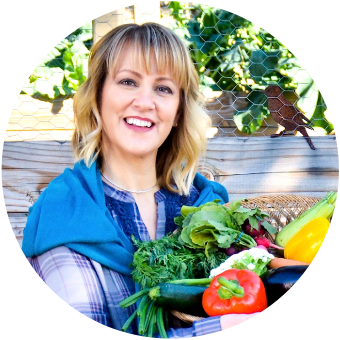


Celebrate National Nutrition Month by filling your plate with plants. Learn the history of the nutrition campaign, get easy plant-based nutrition tips, and discover healthy recipe ideas to add more fruits, vegetables, whole grains, and legumes to your meals.
Fill Your Plate with Plants for National Nutrition Month: 5 Simple Tips and 10 Healthy Recipes
National Nutrition Month is the perfect time to focus on building healthier eating habits and celebrating the power of good nutrition. One simple approach is to fill your plate with more plant foods—like fruits, vegetables, whole grains, beans, nuts, and seeds—that provide fiber, vitamins, minerals, and antioxidants. In this guide, I’m sharing the background of National Nutrition Month, discover easy nutrition tips, and find healthy plant-based recipe ideas to help you get started.
Let’s make every month National Nutrition Month—a time to kick-start your goals for eating healthy, getting fit, feeling great, and looking good! Officially, the annual National Nutrition Month campaign is in March, but why stop there? Why not start every month focusing on wellness goals? Whether evaluating, adjusting, or re-setting, just reflecting on your progress can be an amazing motivator to keep you moving forward.
National Nutrition Month began as National Nutrition Week back in 1973, with a presidential proclamation and enthusiastic support from the American Dietetic Association, which is now the Academy of Nutrition and Dietetics (AND), as a vehicle for delivering nutrition education information to the public. It took off so quickly, reaching so many consumers, and gaining media attention that it naturally evolved into National Nutrition Month. Each year, the campaign is celebrated with a new theme and slogan, such as “Everybody Wins with Good Nutrition,” “Eat Right America!” “Go Further with Food,” and “Eat Right Bite by Bite.”
While every year’s theme may be different, the purpose is the same—to help people become aware of the importance of good nutrition and a healthful eating plan, which always includes putting more plants on the plate. Now, that’s what I’m talking about!

5 Tips for Filling Your Plate with Plants for Nutrition Month
So, celebrate national nutrition month by filling your plate mostly with plant foods, such as vegetables, fruits, whole grains, lentils and beans, which are naturally rich in all of the “good” stuff, like vitamins, minerals, fiber, and antioxidants, and naturally low in stuff we want to minimize in our diets, like saturated fat, dietary cholesterol, and sodium.
So, how can you get your dinner plate in shape? Here are my top 5 plant-based tips to get you started.

1. Update Your Plate
Get plant-centric by putting plants at the center of your plate! Think of the gorgeous vegetables and fruits that are in season and the delicious whole grains and pulses (beans, lentils, and dried peas) that are available to pique your interest. Let these plants be the highlight of your plate in veggie meatballs or patties, casseroles, soups, stews, and stir-fries.

2. Put Pulses on the Menu
Push your plant-based eating style by including protein-rich pulses—beans, lentils, and dried peas—on the menu as your main dish at least a few times per week. Feast on savory lentils, fava beans, black-eyed peas, and beyond in a variety of dishes, such as veggie-burgers, pasta dishes, and curries. Combine pulses with veggies and whole grains and you’ve got a low-cost, delicious, nutritious meal you can feel good about.

3. Double—or Triple—Up on the Veggies
One little side serving of veggies on your plate is hardly enough to gain the benefits of a plant-rich diet. Give it a boost by serving up two (or more!) different types of vegetables for dinner—perhaps a vegetable soup or salad and a cooked vegetable, for example. And remember, using frozen or canned vegetables (without added salt) saves time (no prep required) and they count towards your veggie requirement.

4. Boost Whole Grains
Include a serving of cooked ancient, whole grains—quinoa, wheat berries, Kamut, barley, bulgur, or brown rice—on your plate. They’re so easy to prepare in a rice cooker or Instant Pot. Just add the required amount of water (use vegetable broth for more flavor), and push the start button. That’s it! Then use these grains as a foundation for all.

6. Dish Up Fruit for Dessert
Eat delicious, naturally sweet fruit (fresh, frozen, or canned without sugar) as your after-meal treat every day. Think berries, peaches, melons, apples—wonderful on their own, or happily adorned with a squeeze of lime, a dash of cinnamon, sprinkling of nuts, or a dollop of plain soy yogurt. You can also find creative ways to showcase fruit in fruit-forward desserts, like crisps, crumbles, and tarts.
Sharon’s Top 10 Healthy Recipes for National Nutrition Month
Spiced Apple Oatmeal with Quinoa and Almonds
Mississippi Caviar
Italian Spaghetti Squash Salad
Pomegranate Avocado Quinoa Salad
Beet Smoothie
Easy Vegan Green Split Pea Soup
Hearty French Wild Rice Vegetable Soup
Curried Oat White Bean Veggie Burgers
Sweet Potato Black Bean Bake
Healthy Orange Creamsicles
Main Image: Nourish Lentil Bowl, Sharon Palmer, MSFS, RDN
As an Amazon Influencer, I earn from qualifying purchases. For more information about affiliate links, click here.
More Tools for Eating and Living the Goodness


I love finding your site. I have been on whole food, plant-based eating style for a year and 8 months, as of the end of March 2022. Pop, my husband of 58 years, doesn’t completely accept my wanting to go all plant-based, and I give in some days. I like this idea of National Nutrition Month, and we are starting a new month, so I want to go for this in April. And I also like the idea of a small portion of meat added to the meal or added into the dish, which I do occasionally. For my desserts, most every day, I prepare oats with fruit, cinnamon, nuts. And I change up with the types of fruits and nuts for variety. I will have this for breakfast most every day, and I may have it at the end of our other meals as dessert. I only prepare a 1/4 cup (before cooking) whole grain oats. No butter, nor sugar, salt or oils are added to my meals, unless it is occasionally.