

Pumpkin: Nutrition, Health Benefits & How to Cook with Pumpkin

Discover pumpkin nutrition, health benefits, and easy ways to enjoy this fall favorite. Explore pumpkin cooking tips, plant-based recipes, and seasonal inspiration.
Pumpkin Nutrition, Health Benefits + 5 Tips for Cooking with Pumpkin + 10 Healthy Pumpkin Recipes
Pumpkin is more than a seasonal favorite for fall baking—it’s a versatile, nutrient-rich ingredient that deserves a place in your kitchen all year long. In this pumpkin guide, you’ll explore pumpkin nutrition and health benefits, learn how to cook with fresh or canned pumpkin, and discover delicious ways to add this colorful winter squash to your meals. From cozy soups and savory dishes to pumpkin breads, muffins, and other plant-based recipes, you’ll find plenty of inspiration for enjoying pumpkin as part of a healthy, sustainable eating pattern.

Pumpkin, the harbinger of fall, is a beloved part of the month of October. You can find pumpkin in everything these days, from pumpkin pie and pumpkin spice muffins to pumpkin hummus, pasta, coffee and tea. You can even wash your face with pumpkin! I personally love when pumpkins make their presence each season, because it’s about time people realized that pumpkin is so much more than a pie filling. Cultures around the globe have cherished pumpkin as a main ingredient in savory dishes, including Latin American soups and stews and Thai pumpkin dumplings and stir-fries. In fact, pumpkins are part of the Three Sisters pre-Columbian agricultural tradition in the Americas—maize was planted in a mound to act as a pole for beans to climb, with squash or pumpkin plant at the base for shade. I grow pumpkins in my garden each year, and use them for fall decor, as well as plant-powered cooking. When the fall season is over, I make my own pumpkin puree out of the fall pumpkins, which saves me money, avoids food waste, and powers my kitchen with good nutrition.

Pumpkin NutritionPumpkins are in the same family as winter squash, and they are packed with key nutrients, such as B vitamins, vitamins A and C, fiber, copper, potassium, slow-digesting carbs, and more. These nutrients are important for eye, heart, immune, and metabolic health.
Pumpkin Nutrition (Per 1 Cup Cooked)
- Calories: 49
- Carbohydrates: 12 g
- Dietary Fiber: 2.7 g
- Protein: 1.76 g
- Total Fat: 0.17 g
- Potassium: 563.5 mg
- Vitamin A (as beta-carotene): Over 100% of the daily value (rich in precursors like beta-carotene and lutein)
- Vitamin C: 11.52 mg
- Vitamin E: 1.96 mg

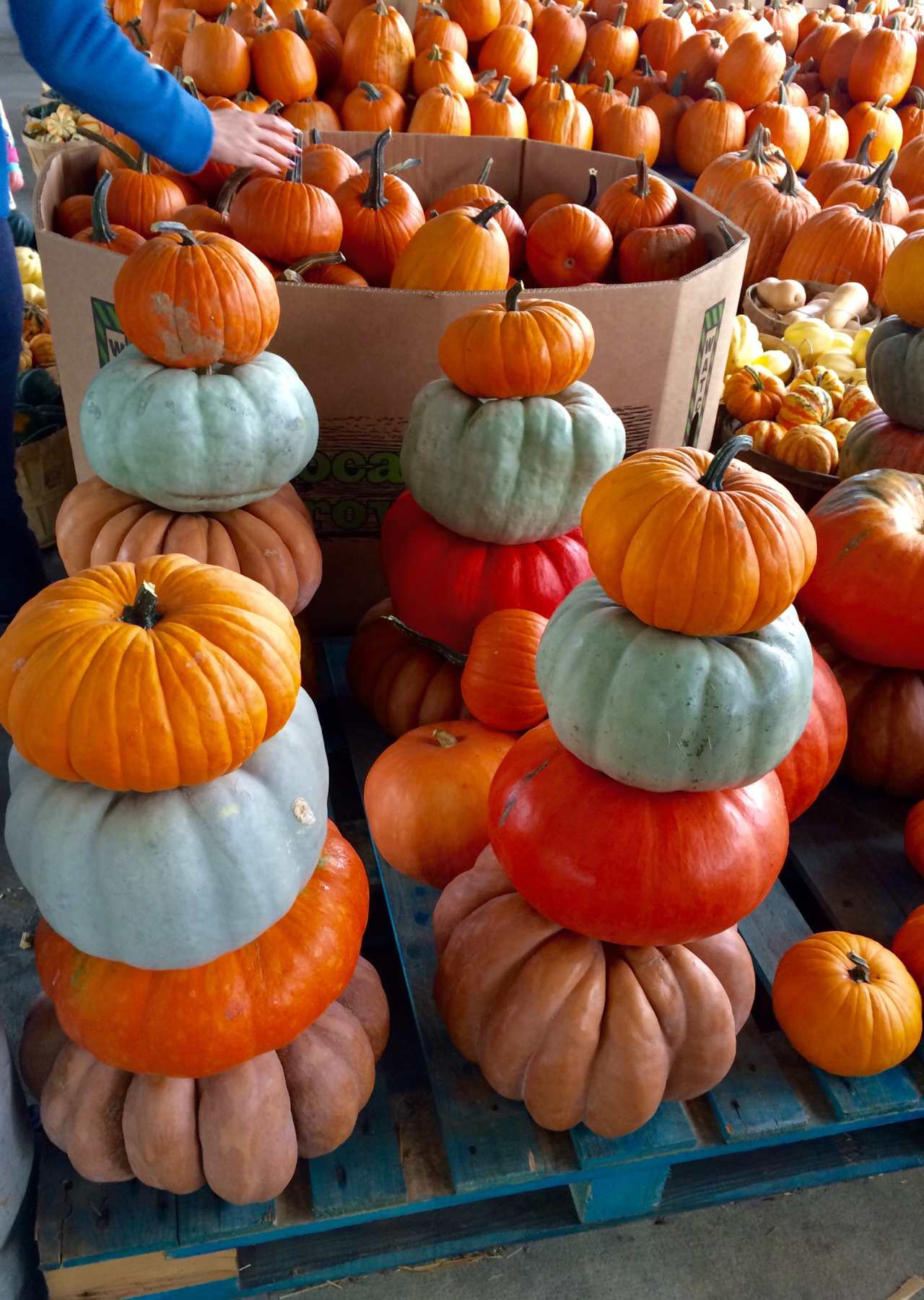

Top 5 Ways to Use Pumpkin in the Kitchen
Pumpkins are more versatile than you may think. Check out these easy cooking tips to paint your kitchen orange!

1. Bake with Pumpkin
Turn your kitchen into nirvana with the aroma of pumpkin spice baking in your oven in pumpkin bread, real pumpkin pie, pumpkin chocolate chip cookies, and pumpkin muffins. It’s so easy! Just open a can of pumpkin puree—or make your own pumpkin puree (see below)—and stir it into batters to add moisture, flavor, color, and nutrition. While you’re at it, check out my pumpkin recipes in my book Plant-Powered for Life.

2. Stir Cooked Pumpkin in Everything!
Use pumpkin puree in a range of dishes! Try it in savory recipes, like soups (try it in my Butternut Squash Soup), pasta dishes (check out my Vegan Carbonara with Pumpkin), pumpkin hummus, and macaroni and “cheese” (let pumpkin stand in for cheese!). And you can also use it in sweeter concoctions beyond desserts and baked goods. Make your own pumpkin latte starring genuine pumpkin! Skip those fake lattes with pumpkin additives and use the real thing. Check out my Homemade Pumpkin Spice Latte in my new video to learn how to make a healthier version of this classic fall staple.

3. Make Your Own Pumpkin Puree
It’s so easy to make pumpkin puree using fresh pumpkin. Just cut your pumpkin into pieces, bake it, and throw the pumpkin flesh into a blender to make pumpkin puree for a variety of recipes, such as pumpkin pie, pumpkin oats, pumpkin energy balls, and pumpkin bread. Learn how to make home-made pumpkin puree in my step-by-step guide here. You can also toss cooked pumpkin into your next smoothie, such as Spiced Pumpkin Smoothie.

4. Save the Seeds
Don’t throw out those pumpkin seeds! Roast them in the oven with a little olive oil and seasonings and enjoy them as a nutrient-rich snack. Sprinkle them over salads, such as my Salad with Cantaloupe, Radishes, and Pumpkin Seeds, into baked goods, and on your veggies.

5. Use Pumpkin as a Vegetable
Don’t forget that pumpkin is a vegetable, not just an ingredient for your baking delight! You can roast it just like you would winter squash, cube it in soups and stews, and sauté it in a savory stir-fry or curry. This is a favorite culinary style in many global cuisines. Hint: Swap out winter squash, such as butternut or acorn squash with pumpkin in your favorite recipes.
Sharon’s 10 Favorite Pumpkin Recipes
Health Benefits of Pumpkin Seeds
Top 5 Ways to Use Turmeric + Turmeric Recipes
Top 5 Ways to Use Chickpeas
How to Use Sweet Potatoes
How to Use Cinnamon and Cinnamon Sticks
How to Cook Kohlrabi
Discover More Plant 101 Guides!
How to Use an Instant Pot to Cook Beans
How to Make the Perfect Mason Jar Salad
How to Sprout Grains & Beans: Benefits, Tips & Recipes
How to Make the Best Green Smoothies: Tips & Recipes
How to Grill Tofu
As an Amazon Influencer, I earn from qualifying purchases. For more information about affiliate links, click here.
More Tools for Eating and Living the Goodness


