

Top Dietitian Tips for Powering Up on Winter Produce
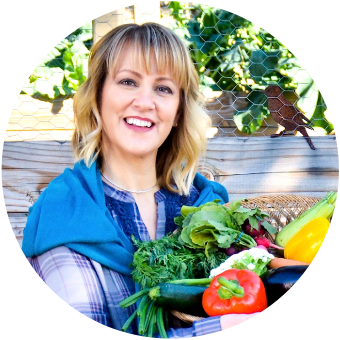


Discover top dietitian tips for eating more winter produce, plus easy seasonal recipes featuring squash, greens, root vegetables, citrus, cauliflower, broccoli, cabbage, avocados, and pomegranates.
How to Eat More Winter Produce: 9 Dietitian-Approved Tips and Seasonal Recipes
It’s easy to step back on your healthy fruits and vegetables intake during the cooler months, when summer’s produce bounty wanes. Yet, winter brings a rich variety of nutrient-packed produce, from sweet winter squash and hearty root vegetables to vibrant leafy greens, juicy pomegranates, bright citrus, and creamy avocados. These cool-weather fruits and vegetables are naturally designed to thrive in winter—and to support your body with fiber, antioxidants, and key vitamins when you need them most. Eating with the seasons is one of the simplest ways to boost both flavor and nutrition, as well as sustainable eating practices.
Discover top dietitian tips for powering up on winter produce, along with practical cooking ideas and healthy winter recipes to help you use these ingredients with confidence. Whether you’re looking to add more vegetables to your meals, support immune health, or bring variety to your winter cooking, these expert-backed strategies make it easy to enjoy the best of the season on your plate.

Power Up Your Plate with Winter Produce: 9 Expert Nutrition and Cooking Tips

1. Shop the Season
A key way to maximize winter produce is to learn what’s in season during the cooler months. “In the winter, it’s a great time to enjoy citrus, like oranges, grapefruit, lemons, as well as winter squashes, such as butternut and acorn. I love stocking up on lemons and freezing the juice in ice cube trays to use all year round in recipes. Think beyond the traditional dishes, and explore new seasonings or spices. Think about spicy butternut squash tacos or roasted acorn squash for salad toppings. I encourage clients to choose a new recipe that sounds tasty and go for it!” says Jennifer Bowers, PhD, RD. “Look for varieties that only come around during this time of year. Make it a challenge every time you are going grocery shopping to buy a new fruit or vegetable that you have never tried before. I’ve been loving cara cara oranges lately, which really only come around during this season!” says Julie Harrington, RD. “Get to know root vegetables. Not only are they in season during the winter, but they are flavorful and versatile. You can roast them with some fresh herbs, mash them, dice them in a stew or my latest obsession: spiralize them for a pasta alternative! They help bulk up a meal, but add so much color to the dish as well,” says Stefanie Dove, RDN, School Nutrition Marketing Specialist at Loudoun County Public Schools.

2. Cozy up to Comfort Foods
Think pasta dishes, casseroles, skillet meals, and beyond! “Beef up the nutritional quality of your meals by thinking of what you can add to your meals. Use spaghetti squash as a base instead of noodles for your favorite spaghetti dish, add red bell pepper and diced tomato to your chili, and replace the ground meat with beans. Swap a layer of noodles plus a layer of kale or spinach in a lasagna! It doesn’t take much, except a little creativity, to create a combination dish with a little extra veg and edge to each bite!” says Stacey Mattinson, MS, RDN, LD.

3. Turn to Your Freezer
Beyond seasonal winter produce, think about the variety of fruits and veggies you can find in the frozen foods aisle of your supermarket. “Frozen vegetables are great to have on hand for those nights you don’t feel like washing and chopping. They’re fantastic as quick additions to soups, stews and stir fries. Save any vegetable scraps like the tops of celery and carrots in a plastic bag in the freezer. Then you can use them to make your own vegetable stock! I love roasting beets and other root vegetables to use in warm salads and pilafs or for quick side dishes during the week,” says Christy Brissette, MS, RD.

4. Keep a Seasonal Fruit Bowl
One way to amplify the power of produce in your lifestyle is to stock a seasonal fruit bowl that the whole family can grab and feast on. Think apples, pears, and oranges. You can also stock seasonal produce in your fridge ready to snack on. “Slice your fruits and veggies to use with nut butter or hummus, or eat them plain. Make sure to refrigerate any leftover slices that you don’t eat right away,” says Danielle Cushing, RD, author of The Every Kitchen.

5. Meal Prep Each Week
One surefire way to save time and make the most of winter produce is to meal prep meals that focus on these ingredients, such as bowls, sheet pan dinners, and roasts. “At the beginning of each week, I either roast or mash a medley to have on hand for the week—broccoli, cauliflower, root vegetables, etc. If they are cooked and ready to go I tend to incorporate them into meals and salads more regularly,” says Katie Cavuto, RDN. Here are some of her tips:
Eat Vegetables at Breakfast: If you abandon the idea of traditional breakfast foods you can easily reheat leftover veggies to enjoy as a part of your morning meal. Sautéed greens, sweet potatoes, and roasted cauliflower are perfect options. Or try adding greens to smoothies or a variety of veggies to wraps.
Embrace Frozen Vegetables: I have been known to defrost a bag of frozen vegetables at the beginning of the week so that there is always a cooked, prepped vegetable on hand. With so many options these days, I use frozen butternut squash to whip up a quick soup or blend into a dip. Frozen greens make for a great smoothie add-in and frozen cauliflower can be pureed into a simple mash.

6. From Salads to Soups
When you think of upping your health veggie intake, you often think about salads. But there are many ways to power up on winter produce beyond the salad bowl. “I know I’m not alone when I say the thought of digging into a huge salad on a freezing winter day is less than appetizing, so I try to get my veggies in with a cup of veggie soup at lunch or dinner. It’s so easy to make a huge batch of soup, freeze it in individual portions and then I can take them out of the freezer as needed! My latest veggie soup recipe can be made in 30 minutes or less, is full of flavor and immune-boosting ingredients!” says Chelsey Amer, MS, RDN, creator of CitNutritionally.com and private practice dietitian in New York City. “I utilize produce in the winter for soups and stews. For example, when I make soup, I add greens and zucchini noodles to increase my veggie intake,” says Dixya Bhattarai, MS, RD.

7. Try Different Cooking Techniques
Think beyond boiled veggies to a variety of cooking methods, such as roasting, sautéing, air-frying, and grilling (if weather affords it). Raw preparations offer intrigue as well. “I love roasting vegetables in the winter. Not only is roasting quick and easy, but it also brings out a unique flavor that calls your taste buds back for more. The heat and aroma from the oven also make for a perfectly cozy wintertime atmosphere,” says Michelle Loy, MPH, MS, RDN, CSSD. “Many hearty winter vegetables are bright, refreshing, and delicious shaved and eaten raw, such as fennel, radishes, Brussels sprouts, carrots, celery root, celery, and kohlrabi. Slice them with a mandolin, a good sharp knife, or the slicer blade of a food processor and add a generous squeeze of lemon (even better with Meyer lemon), olive oil, and salt, along with favorite herbs, toasted nuts, and hard grating cheeses such as Parmesan or Pecorino (if you are vegan, try vegan cheeses),” says Katie Morford, RDN.

8. Get Sneaky
Find ways to fit in veggies, from veggie burgers and smoothies, to breads and bars. “This time of year we all crave sweets (or maybe just me)! I like to sneak fruit and vegetables into healthy baked goods. Extra squash? Throw it into muffins or quick bread, as I have with my banana breads. Another healthy dessert is baked or poached fruits with heart healthy nuts or oat topping. In addition to dessert, tossing more seasonal roasted vegetables into soups or salads is always a winner,” says Kathryn Pfeffer-Scanlan MS, RD.

9. Make your Favorites at Home
Got extra produce? Create your own homemade creations, such as preserves, sauces, and chutneys. “Homemade applesauce and pear sauce are great standbys in the winter and can be seasoned with warming spices such as cinnamon, nutmeg or allspice. Perfect for the crockpot,” says Robin Plotkin, RDN.
Sharon’s Top 10 Winter Produce Recipes
Discover more of my fav winter recipes.
Creamy Vegan Roasted Butternut Squash Soup
Spiced Apple Oatmeal with Quinoa and Almonds
Roasted Orange Glazed Carrots with Ginger
Pomegranate Avocado Quinoa Salad
Sweet Potato Black Bean Bake
Tofu Bourguignon
Easy Roasted Cauliflower Steaks with Puttanesca Sauce
Vegan Cauliflower Spinach Lasagna
Blood Orange Salad with Kale and Hazelnuts
Kohlrabi Slaw with Creamy Orange Dressing
More Tools for Eating and Living the Goodness

