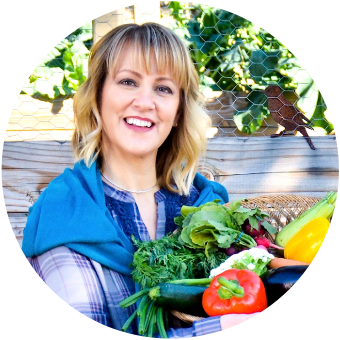
I am thrilled to introduce you to Kate Kanner, a plant-based registered/licensed dietitian nutritionist who works in retail nutrition in Columbus, Ohio. After receiving her bachelor’s degree in Medical Dietetics from The Ohio State University in 2013, Kate gained experience teaching people about nutrition as a dietitian with the Franklin County WIC Program. Following this, Kate was employed with Fairfield Medical Center as an inpatient and outpatient clinical dietitian, regularly working with diabetes and weight management clients. During this time she also received her Certificate of Training in Adult Weight Management through the Commission on Dietetic Registration. In 2016 she joined The Little Clinic as Retail Dietitian Coordinator in the Columbus region. Kate believes that good health starts with good nutrition and she takes a realistic approach in coaching clients on diet and lifestyle changes.
Kate is a member of the Academy of Nutrition and Dietetics, the Ohio Academy of Nutrition and Dietetics, and the Columbus Dietetic Association. She enjoys living an active lifestyle, volunteering at a local animal shelter, and spending time with her family in Columbus, Ohio.
Read on to hear more about Kate’s journey to veganism, her love of myth-busting and why you should never limit yourself to the perimeter of the grocery store.
When did you know you wanted to be a registered dietitian?
I began college with the intention of going to medical school, but from the beginning, my major was dietetics. As I worked my way through school, I realized that my ideal career path was not to be a physician, but rather to hone in on the aspect of healthcare that I felt most passionately about – nutrition. Luckily I had already applied for and was accepted into my school’s coordinated dietetics program, as I felt that it would overlap well with my pre-med coursework. Once I began my supervised practice rotations and saw the difference I could make as a dietitian, I knew I had made the right choice. What led you to choose a plant-based diet? Growing up I was fortunate that my parents valued a healthy diet and made family meals at home a priority. My mom frequently prepared “Meatless Monday” meals for the family, and as I got older and my mom’s work schedule changed, I was often delegated the task of choosing a recipe and preparing that Monday night meal for the family. As I got more comfortable in the kitchen I found myself preparing plant-based meals more often. When I was 17 I found myself reading articles about factory farming for the first time, exposed to the realities of how those animals are treated. A lifelong animal lover, something suddenly clicked with me, that it didn’t make sense to treat some animals so lovingly and subject others to abuse. I stopped eating meat cold turkey. Over the years since then, I’ve waffled back and forth between vegetarianism and veganism, but as of early 2016 I’ve committed to a vegan lifestyle for good.
What is your own personal nutrition philosophy?
The philosophy that underscores my interactions with clients is the concept that “all foods fit” – I hate the myth that dietitians are the food police. But, at the same time, I encourage clients to think about being kind to their bodies as well as being kind to the earth and all its inhabitants. I recognize that it is not my position to impose my personal feelings and dietary choices upon a client, as we are all in our own walks of life, but I do believe that any dietitian has the responsibility to educate and guide clients toward incorporating more plant-based foods into their diets – and this is what I do.
Describe your experience working with the WIC (Women, Infants, and Children) program.
Working for the county WIC program was my first job as a registered dietitian. I learned a lot about how to interact with kids and parents, and got comfortable with the basics of how to counsel patients (since I hadn’t had much counseling experience during my internship). I loved the fact that, unlike food stamps, WIC participants would be guaranteed to get some nutritious food items using their WIC vouchers. However, issues such as language barriers and the short 15-minute time frame allotted for each client barred me from feeling completely effective in this role.
Describe your role at The Little Clinic.
As a dietitian at The Little Clinic I deliver nutrition information to shoppers and patients in a variety of ways. I divide my time between two different clinics in Columbus, Ohio, both located inside Kroger stores. At the clinic, I see patients for individual counseling appointments – some time spent in the exam room, and some time spent out in the aisles of the store. I also offer grocery store tours and other group programs, such as cooking classes, or a weight management series. I regularly collaborate with the grocery and produce departments to sample and demo items/recipes of my choosing out in the store. Often I’ll pick an item that is on sale that week, keeping shoppers’ financial restrictions – a big perceived barrier to healthful eating – in mind. Extending my reach beyond just the clinic and the store, another responsibility of mine is to write blog posts on various nutrition topics for Kroger and our family of brands. I also attend community events such as health fairs and Relay for Life, and I have even had the opportunity to appear on the local news to speak about nutrition!
What makes The Little Clinic unique?
The Little Clinic is a walk-in healthcare clinic inside Kroger stores. So, I am not only a grocery store dietitian, but also a practitioner in a retail healthcare setting. I work with nurse practitioners and pharmacists, and collectively, we provide a wellness destination for shoppers. My role is particularly unique because I bridge the gap between this wellness destination and the rest of the store, where people are making their food decisions.
When leading clients through on grocery store tour, what are your go-to tips for making healthier choices?
The first thing I always point out is the sale items in the produce department. One of the best ways to get people excited about fresh fruits and veggies is talking up the seasonal items that are on sale, and if they’re in season that means they’re at their most delicious. I also encourage people NOT to only “shop the perimeter” of the store – a common and well-intentioned suggestion for how to shop healthier. But, lots of great items like canned beans, 90-second brown rice, or frozen mixed vegetables are found within the aisles of the store. With time and cost oft-cited as barriers to healthy eating, I think it’s important to point these foods out to my clients.
What are your favorite topics to write and/or speak about?
I love being a “myth buster”! There are lots of loud, non-credible voices out there spreading non-factual information about today’s food environment, drumming up a lot of fear for no good reason. I want people to be educated, but I also want them to enjoy what they eat. It is so important to make peace with what we eat, and not be afraid. Additionally, as someone who follows a plant-based diet, I am obviously a huge advocate for eating more plants, and I like to introduce people to new foods and new ingredients whenever possible. Many people have the misconception that a plant-based diet is restrictive, but I found quite the contrary to be true for myself – my culinary horizons expanded vastly once I stopped eating animal products. Clients love learning how I incorporate ingredients like tofu and avocado into every meal of the day, including dessert!
Could you share a recipe with us?
Not sure where it came from, but this is one of my favorite recipes, and one of the first recipes I added to my repertoire when I initially stopped eating meat. It’s simple, hearty, and nourishing.
1/2 lb. red skin potatoes, washed and chopped into small ½ inch cubes
3 cups fresh spinach leaves
1 whole lemon, juiced (about 3-4 Tbsp)
1 tsp lemon zest
Salt if desired
Instructions
In a large stock pot, heat olive oil over medium heat. Add minced garlic and sauté for 30 seconds, until fragrant.
Add vegetable broth and lentils, and bring heat to up boiling. Add the diced potatoes, and reduce heat to simmer. Cover and continue to cook over low heat for 25-30 minutes.
Add spinach, lemon juice, and lemon zest to broth mixture. Let cook for 3-4 minutes until leaves are wilted, and stir to incorporate into the stew.
Salt to taste. Serve. Garnish with chopped fresh cilantro or basil, if desired.