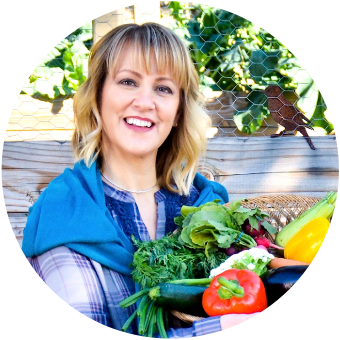
I am so glad to have Mat Follas, a UK-based chef, cookbook author, and judge of the Great Taste Awards, on my blog today. In 2009, Mat won MasterChef, and his restaurant, The Wild Garlic, gained considerable praise, including 2 AA Rosettes and recommendations in the Good Food and Michelin guides. In 2014 he opened a second restaurant within The Casterbridge Hotel in Dorchester. He regularly runs courses on foraging and wild plants, is featured in The Guardian, and wrote the forward for the AA Restaurant Guide 2014. Mat is a regular judge for MasterChef, making frequent appearances on The Great Taste Awards, and his recipes are published in a variety of magazines including BBC Good Food, Olive and Delicious. Mat recently wrote Vegetable Perfection, a book that showcases the versatility of plants in the kitchen. Mat lives in Dorset with his family. Keep reading to learn more about Matt’s culinary inspiration and plant-based menu trends.
Do you feel that people are more interested in cuisines that star vegetables, and if so, why?
I feel that the trend is rising. I recently opened a café/bistro restaurant. Five-six years ago we would have designed the menu around meat, and then add vegetables to it. Now I’m thinking of different types of cuisines and what balances them, and whether meat is even appropriate for the menu. I would use either no meat, or make it a fairly minor part of the dish. Vegetables, cooked properly, is the pitch I took for my book. I want to treat vegetables the same way I treat other foods as a chef.
At my restaurant, they have a free choice as what to order, but the top selling dish is a fennel and shallot dish–a few years ago I hardly sold any of it. It has a fantastic collection of flavors on the plate. That’s the dish people are going for today. There is an awareness of things like kale, the whole juicing thing, that whole “lets’ have a plant-based diet” movement. I grew up in New Zealand and there had to be a piece of meat and a couple of vegetables on the plate, but I don’t think that mentality exists anymore.
Why do you find vegetables so compelling to work with?
I think now that there’s such a massive range of flavors in vegetables. I don’t think you do a lot of this in the States, but we do a lot of foraging of herbs and plants, and this applies throughout plants for a range of flavors that puts meat in the shade. You can use a simple aubergine, make it into a chili, steak, or smoked it—you can use all of the techniques you would use with a piece of meat and get just a good range of flavors. And that’s just one of 30 vegetables you can get so creative with. There are very unique flavors from vegetables, and there’s the ethical argument too. There is the perspective that meat becomes a luxury item, and at some point we’ll stop using altogether. There are so many micro-herbs, vegetables, and plants that have come into existence in the last five years. It’s a total shift of mindset. It’s exciting as a chef.
From a culinary aspect, what sorts of attributes can vegetables bestow on cuisine?
In order to get a well-balanced dish, you need to have sweet, salt, sour, and savory; generic meat does savory and little else, we are looking for plants to give all of those senses; things like a smoked tomato has so much more depth of savory flavor than any meat product could ever achieve. It wouldn’t be a stretch to move to a vegetable-only business in cooking for customers. We are getting the public to take the same journey.
What are a few of your best tips for making vegetables taste delicious?
Cook them less, embrace raw flavors more, stay away from boiling water—you don’t have to boil vegetables to make them palatable, treat them like a protein—you can grill, BBQ, or smoke vegetables and use the same flavors on them, such as chili spices. Make it something that is sexy.
Are you finding that more and more people are requesting plant-based options in dining? What do you think influences this?
Yes, I definitely see a move away from meat and to ethically sourced seafood, rather than intensively farmed red meat. There are some good plant-based dishes that are at least as delicious as a meat dish and customers will order them. Given a free choice with no price issues, people are going with vegetable dishes.
Are chefs overall starting to gradually change the idea of animal proteins as the center of the plate? Why?
The top restaurants in the UK are heavily plant-based. In fact, two or three of the best, where they used to cook at Noma, are high-end restaurants that are very plant-focused. People don’t even notice. This trend is still a little bit high end, compared to the average neighborhood bistro or bar. But it’s very much happening.
What vegetable do you think will be the next “it” vegetable?
Middle Eastern flavors, chickpeas, and pomegranates are a wonderful family of comfort foods.
Any other culinary trends you predict surrounding vegetables?
I think that it would be interesting to see the States do more foraging, it’s almost passé here now. The whole foraging idea, and growing the hard to find plants, herb gardens, vegetables, microherbs, and small young shoots full of favor is the next trend here. It’s quite exciting to see. There is a real change away from animal flavors. There is a lost culture of herbs.
Can you share a favorite plant-based recipe with us?
A lovely fusion dish using the classic Pad Thai as inspiration. I love the perfumed aromas from the rice wine, aromatic lemon grass and galangal root. You can usually find daikon and galangal in a good Asian food store; but if you can’t, this dish still works well with radishes and ginger instead.
Ingredients
Scale
4 carrots, finely chopped into matchsticks
2 shallots, finely sliced
2 pak choi/bok choy, leaves separated and centres halved
1 daikon radish, peeled and finely sliced or 14–16 red radishes, finely sliced
2 large red chillies/chiles, finely sliced on the diagonal
50 g/1/2 cup roughly chopped galangal or ginger in 2-cm/3/4-inch pieces
2 lemon grass stalks, bruised and sliced into 2-cm/3/4-inch pieces
150 g/11/3 cup trimmed and chopped green beans in 2.5-cm/1-inch pieces
100 ml/1/3 cup rice wine
8 okra, trimmed and sliced into 5-mm/1/4-inch pieces
100 g/31/2 oz. shiitake mushrooms, stems removed and quartered a good splash of sesame oil
600 g/21 oz. pre-cooked medium noodles vegetable oil, for frying
TO SERVE
dark soy sauce
a small bunch of fresh coriander/cilantro cashew nuts, crushed
Instructions
Preheat the oven to 180°C (350°F) Gas 4.
To make a papillote bag, cut a rectangle of baking parchment approximately 30 x 45 cm/12 x 18 inches and a piece of foil 40 x 55 cm/16 x 22 inches. Place the baking parchment on top of the foil and fold in half. Seal the sides by folding the foil over several times, capturing the baking parchment inside, forming an envelope.
Carefully place the carrots, shallots, pak choi/bok choy, daikon radish or red radishes, chillies/chiles, galangal or ginger, lemon grass and green beans inside the envelope and add the rice wine. Seal the top and put on a baking sheet. Bake in the preheated oven for 20 minutes.
While the vegetables are cooking prepare the noodles. Preheat a large frying pan/skillet over a high heat with just enough vegetable oil to coat the bottom. When the oil is just starting to shimmer from the heat, add the okra and mushrooms. Cook for 3 minutes, turning occasionally, until the okra is starting to turn golden. Add a good splash of sesame oil and then the noodles. Reduce the heat to low and turn the noodles in the pan to warm them through and mix with the okra and mushrooms.
To serve, place the papillote bag in a large bowl and rest for 5 minutes (don’t serve the lemon grass or galangal or ginger pieces). Put the noodles in another large bowl and dress with a little soy sauce. Put the coriander/ cilantro leaves and cashew nuts in smaller serving bowls. When you open the papillote bag at the table, it will fill the room with wonderful aromas.
Allow your guests to help themselves for the perfect balance.