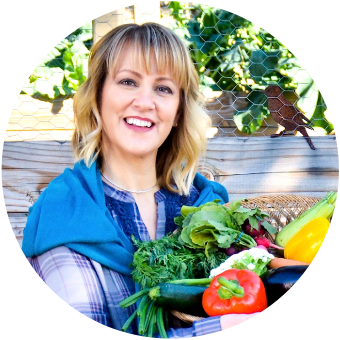
I am thrilled to have colleague Rachel Begun, MS, RDN with me on the blog today. Rachel is a nationally-recognized registered dietitian and natural chef specializing in food, nutrition and culinary consulting, education and communications. Her mission is to help people take a more mindful approach to eating, which includes teaching them that balancing the flavors in food is just as important as balancing nutrients for optimal health and finding satisfaction from meals. You can read more about Rachel, get tips from her blog, and listen to podcasts through her professional website.
As a registered dietitian living with celiac disease, what do you think is the biggest struggle facing those with celiac disease?
With all of the gluten-free foods now available, it’s become much easier to eat gluten-free at home and when preparing foods to eat on the run. While we’ve come a long way, eating in restaurants and ordering prepared foods from supermarkets is still a challenge for people with celiac disease, as kitchen staff are still learning how to avoid cross contact with gluten. Another struggle is finding the balance between eating gluten-free healthfully and happily. There are many gluten-free foods now available, but a good majority aren’t healthy. People just learning how to live gluten-free often rely on certified gluten-free packaged foods because they know their safety is guaranteed, but oftentimes they rely too heavily on these foods, which doesn’t make for the healthiest diet.
How do you provide accurate, easy-to-follow nutrition information to people who need special diets?
As I tell every client, the foods we recommend to the general population for a healthy, wholesome diet are mostly gluten-free in their pure forms: fruits, vegetables, plant-based proteins like beans, nuts and seeds, lean cuts of meat and fish, and gluten-free whole grains. I have them focus on eating whole, naturally gluten-free foods, saving gluten-free treat foods for special occasions and when convenience is needed. This advice rings true for most special diets. Unless a person has to avoid many different foods and food categories, it’s usually not too difficult for people avoiding one or two foods/ingredients to eat in a way that meets all their nutrition needs. There is, of course, a learning curve, but with time and education it starts to become second nature.
What are some of your favorite ways to help others deal with celiac disease?
I tell people to keep it positive. Forget about what you can’t eat, and focus on what you CAN eat. Yes, people with celiac disease have to avoid wheat, barley and rye, but there are just as many gluten-free grains, if not more. My favorite way to help people with celiac disease is to teach them how to cook! That’s why I just went back to culinary school to become a natural chef, in which there is a focus on cooking for people on special diets. When people know how to cook, they have so much more control over what they eat and can prepare their favorite foods so they don’t feel like they are missing out. Since being diagnosed and going gluten-free myself, I know so much more about food and cooking, and I actually eat a wider variety of food then I did before. When they hear that, they are encouraged.
What is your personal nutrition philosophy?
I believe it is just as important to balance the flavors in our meals as it is to balance nutrients. If there is one thing I learned in culinary school it is that balancing the five tastes in each and every meal is what allows us to be satisfied and content with our meals, which means we aren’t left wanting for more and we are less likely to overeat. For example, we tend to eat-overly sweet breakfasts in our society, making for an unbalanced meal. This is true even for healthy breakfasts. I have no doubt that is why we are reaching for that treat at 4pm, and likely eating too much of it. My piece of advice: try and get at least three or four of the five tastes in each and every meal: sweet, salty, sour, bitter, and umami. If we balance our savory dinner meal with something sweet like roasted sweet potatoes or raisins, will we be less likely to go for that piece of cake afterwards? I believe so! I want to teach people how to flavor their foods so they kind find balance.
I understand that you are graduating from culinary school shortly. What made you interested in becoming a certified natural chef?
I’ve always had a culinary-focused approach to nutrition, but my hands-on skills didn’t match my intellectual knowledge of food and cooking. I went to culinary school so I could amp up my skills and feel confident about my ability to provide culinary services and education to organizations and the public. I chose a natural chef program, because that aligns with my personal nutrition philosophy and there was a heavy emphasis on cooking for people on therapeutic and special diets.
What are your top five favorite foods you can’t live without?
Sweet potatoes, kale, nut butters, chocolate, fish, and shellfish.
One of Rachel’s favorite gluten-free, plant-powered recipes is this Asian-Style Cabbage Slaw.