

How to Use Mulberries


Learn how to use mulberries with expert cooking tips, nutrition benefits, and easy mulberry recipes. Discover the top ways to enjoy mulberries in healthy plant-based meals, snacks, desserts, and breakfasts.
How to Use Mulberries: Nutrition Benefits, Cooking Tips, and Delicious Mulberry Recipes
Sweet, juicy, and packed with nutrition, mulberries are an underrated fruit with endless culinary possibilities. In this guide, discover the health benefits of mulberries, practical cooking tips, and the top ways to use fresh or dried mulberries in everything from breakfasts and snacks to salads and desserts. Plus, explore delicious mulberry recipes that make it easy to enjoy this vibrant berry as part of a healthy, plant-based lifestyle.
Of all the fruits, mulberries are perhaps the most elusive, which gives them a delightful mystique. It’s not that they’re rare or difficult to grow, they’re just too delicate and perishable for supermarkets to stock. They may, however, make a fleeting appearance at farmers markets, but the most likely place to find these berries is on the tree, reserved for the fortunate few who happen to have—or know someone who has—a mulberry tree.

What Are Mulberries?
Mulberries look like elongated blackberries, making the two sometimes confused, though they are not related. Unlike most berries, mulberries grown on beautiful, leafy green trees. In fact, I’m lucky to have a mulberry tree growing in my own orchard, and I love to include them in a variety of recipes. Part of the Morus family, mulberries are related to the fig, jackfruit, and breadfruit. Most commonly black, red, and white, mulberries are juicy and sweet with varying degrees of tartness, which depends on variety.

Mulberry Nutrition
These delicate, beautiful fruit are bursting with health-promoting nutrients. One cup of fresh mulberries packs an impressive 85% DV (Daily Value, based on 2,000 calories/day) of vitamin C, 14% DV of bone-healthy vitamin K, and 10% DV of filling dietary fiber, as well as iron, vitamin E, and potassium. Mulberries are also a good source of anthocyanins, the antioxidant plant compounds responsible for this berry’s deep color, which provide many health benefits, including protection against heart disease.
As well as a delicious summertime treat, they are also bursting with health-promoting nutrients. One cup of fresh mulberries packs an impressive 85% DV (Daily Value, based on 2,000 calories/day) of vitamin C, 14% DV of bone-healthy vitamin K, and 10% DV of filling dietary fiber, as well as iron, vitamin E, and potassium. Mulberries are also a good source of anthocyanins, the antioxidant plant compounds responsible for this berry’s deep color, which provide many health benefits, including protection against heart disease.
Check out my Instagram video about mulberries here.

They are mostly eaten fresh or dried, and due to their fragile nature, often are made into jam, syrup, or mulberry wine, but there really is no limit on how to enjoy mulberries. If you’re lucky enough to find them, grab them! Store, unwashed, in the refrigerator where they’ll keep for a few days, or freeze them. Enjoy fresh or frozen mulberries as you would your favorite berries—over porridge, in salads, baked into muffins and cobblers, frozen into sorbet or fruit bars. Don’t forget about dried mulberries, which are a great anytime snack, but they’re great in granola and trail mixes too.
Top 5 Ways to Use Mulberries

1. Step-up Porridge
Nothing sweetens the morning like plump, juicy mulberries atop a steaming bowl of porridge. You can use my recipe featured above featuring steel-cut oats, or serve atop buckwheat groats or your favorite whole grain. If you like a little extra sweetness, stir in a ribbon of molasses or maple syrup, and for added crunch, mix in a few slivered almonds or chopped walnuts. The variety of textures, flavors, and aromas in such a simple dish is so wonderfully satisfying. Give it a try!

2. Beautify Salads
Mulberries are irresistibly pretty! Black or red, they bring a happy burst of brightness to lots of dishes, but they pair especially well in seasonal salads. Make mulberries the inspiration for your next fruit salad by choosing fruits of contrasting colors, degrees of sweetness, and texture. The novelty of this underutilized berry will make an otherwise common salad a crowd pleaser. Give them a try in green salads made with spinach, kale, butter lettuce, or mixed greens, which are just asking for the sweet-tartness of mulberries. Toss with a light citrus vinaigrette—that’s it!

3. Nosh with Nut Butter
Why not switch out jelly and jam and berry up your next sandwich? Nut butters—almond, peanut, cashew, sunflower—and berries have a heavenly rapport when paired. Mulberries are especially fun because they can be nestled whole atop a thick layer of nut butter swathed upon a slice of whole grain bread, or they can be smashed and smeared from crust to crust. Either way, take advantage of in-season berries, and save jarred spreads for the off season. You’ll be glad you did.

4. Freeze ‘em!
While mulberries are in season during the summer, capture their flavors by freezing them in airtight containers to enjoy later on. You can also make a fresh mulberry sorbet, which is one of the best ways to cool off or just treat yourself to a refreshing, healthy snack. In a blender or food processor, combine mulberries—fresh or frozen—with a little lemon juice and a taste of maple syrup, depending on the sweetness of the fruit. Whir until smooth, taste to adjust lemon juice and maple syrup, and freeze to desired consistency. Try mixing mulberries with other berries, like strawberries or raspberries, for a mixed berry sorbet. Pop them into popsicle molds for fun handheld portions.
5. Dry Them
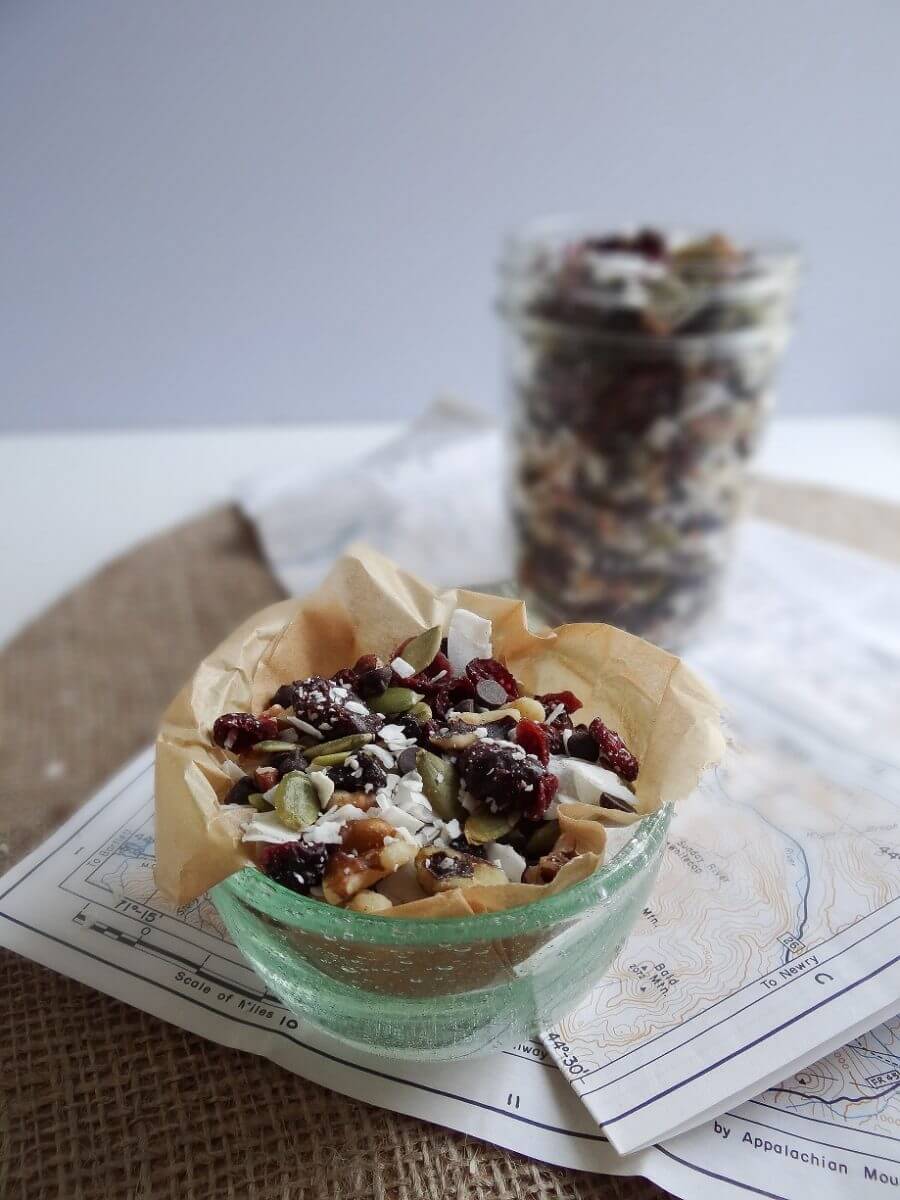
Mulberries are best when fresh, but if you want to change things up, dry them—or purchase them dried. They make a wonderful snack on their own, but they also enhance granola and trail mix, as well as baked goods, like muffins. Use them just as you would other dried fruits for something new. They could be your new favorite!

Written by Lori Zanteson
Photos by Sharon Palmer, MSFS, RDN
Discover More of Sharon’s Plant-Powered 101 Blogs!
How to Cook with Jackfruit
Top Ways to Use Fava Beans
How to Use Oats + Top 5 Oat Recipes
How to Use Fennel: Nutrition Benefits, Cooking Tips, and Delicious Recipes
Spirulina Benefits: Nutrition, Health Perks, and How to Use It in Cooking
Nutritional Yeast: Health Benefits, Cooking Tips, and Easy Recipes
Top Ways to Use Pomegranates: Nutrition, Health Benefits & Delicious Recipes
How to Cook with Edamame: Nutrition, History, and Delicious Ways to Use It
How to Use Peanuts: Nutrition, Health Benefits, Cooking Tips & Easy Recipes
How to Use Romanesco Cauliflower
More Tools for Eating and Living the Goodness


We have a mulberry Tree in our front yard. Very messy. There everywhere. How do I catch the abundance of them to cook. ? Do you have any tricks to catch them. Tree is huge, to catch them individually. Thank You..
I developed an easy way to harvest mulberries! Open a large umbrella and hold it upside down under the branches while you gently shake the branches. The berries fall into the centre of the umbrella and are easybto pour into a large bowl.
Put a tarp under a branch and shake them down onto it 🙂