

Plant Chat: Missy Schaaphok, Taco Bell Dietitian
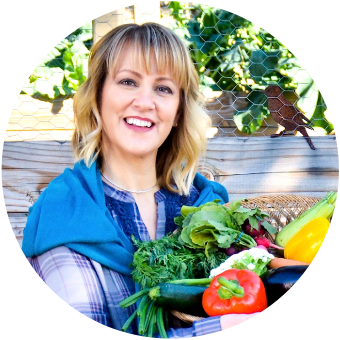


It is such a pleasure to have Missy Schaaphok, RD on my Plant Chat. Missy is the head dietitian for Taco Bell Corp. I was fortunate enough to go on a private tour of Taco Bell with Missy a couple of months ago. Missy spearheads the strategic global efforts for nutrition and sustainability, and is responsible for sensible menu development, regulatory compliance, stakeholder engagement, and sustainability.
Missy plays a big role in how Taco Bell creates food that is fun, innovative and craveable; food you want to eat again, and food that fits customers’ evolving lifestyles. She has been the voice in telling Taco Bell’s “food for all” journey while also leading efforts behind the scenes. Most recently, Missy led the development of the Power Menu, a menu featuring high-protein bowls and burritos under 510 calories. She is also the driving force behind the brand’s commitment to simplify its ingredients, reducing sodium across the menu and removing artificial flavors and colors, high fructose corn syrup, partially hydrogenated oil and unsustainable palm oil; bringing customers a vegetarian menu certified by the American Vegetarian Association–the first of its kind in the QSR industry; and, leading the switch to cage-free eggs and no human antibiotic chicken, in all U.S. restaurants.
Missy received her B.S. in food science, nutrition and dietetics from San Diego State University, completed her dietetic internship from the University of Delaware, and received a certificate in Mediterranean Cuisine from the Culinary Institute of America.
Continue reading to learn more about Missy’s accomplishments and work at Taco Bell, as well as her thoughts on sustainability, vegetarian/vegan eating choices, menu changes, and more.

What path did you take to become a dietitian working at Taco Bell?
Food has always been my passion. My mom had me cooking one day a week ever since I was 11 years old. So I’ve always been in the kitchen.
Originally, I wanted to become a veterinarian, but after I started pre-vet school in Texas I realized that I loved food more. So, I moved back to California and transferred to San Diego State University, where I completed the didactic program in dietetics and received a Bachelor of Science in Food Science and Nutrition. During undergrad, I fell in love with food science and always knew that I wanted to work with food or for a food company, so I did everything I could to make that happen. In my last semester of college, I did a Food Science internship with Rubio’s Restaurants where I developed a Pineapple Salsa in a Grilled Fish Burrito. I was hooked (pun intended) after this!
After undergrad and a few years of working under my belt, I moved on to complete my dietetic internship with supervised practice in various health care and food service locations and completed the exam to become a registered dietitian. Since then, I’ve worked for various food companies with roles in food science and culinary nutrition spanning across restaurant chains, nutraceutical, community/public health.
Taco Bell initially hired me to do product development; however, I realized that my credentials could be put to good use and championed for my role to lead nutrition. I had no idea what that meant or what I was really asking for, but I’m glad I went for it. Shortly after, I became Taco Bell’s first dietitian, all of which has been a remarkable and humbling learning opportunity.
What is a day in your life like as a Taco Bell dietitian?
There is no typical day when you’re a dietitian at Taco Bell and that’s something I love about working here. One day I could be playing around in the kitchen on the latest menu innovation, and the next I could be building out a five-year strategic road map for global nutrition and sustainability. I’m involved in state and local activity on nutrition-related priorities like the trans-fat ban, menu labeling for restaurants, sodium reduction initiatives, and size restrictions for sugar-sweetened beverages. More recently, my involvement has been related to broader national initiatives like providing comments to the FDA regarding the Draft Sodium Reduction Guidance, and the new definition of the term “natural”. I get to work closely with our food innovation team to create food with incredible taste, as well as food people feel good about eating. My team and I have done extensive development work over the past few years to provide customers with ingredients that are easy to understand and responsibly sourced. We regularly consult with nutrition experts working in the food industry, public health, and policy and regulation to help identify areas of opportunity for our ingredients, menu and overall nutrition strategy.

What major accomplishments at Taco Bell are you most proud of?
A few years ago, I led the development of the Power Menu, a menu featuring high-protein bowls and burritos 510 calories or less. My team has also been the driving force behind the brand’s commitment to simplify its ingredients by removing additives and preservatives, artificial flavors and colors, high fructose corn syrup, partially hydrogenated oil and unsustainable palm oil in our food. In addition, we’ve also reduced sodium across the menu by 15% since 2008 and working on an additional 10% reduction by 2025.
My proudest accomplishment is our partnership with the American Vegetarian Association (AVA) to certify a number of our foods and ingredients as vegan and vegetarian. It took almost two years to complete the preparation work and proper marketing to make this happen, and we celebrated in style on World Vegetarian Day and through Vegetarian Awareness Month. This menu is important because it satisfies a lifestyle need of our consumers. They love that we have vegetarian options and Taco Bell is becoming known as the best fast food destination for vegetarians–or even those who are looking to add a little variety. I’m very proud that we have two plant-based proteins (black and pinto beans) on our menu that can be customized into any Taco Bell order, which have beneficial nutrients, protein and fiber, making it a nutritious selection.
Lastly, over the last year or so alone, we’ve already met some amazing accomplishments–we eliminated the 40 oz (XL) beverage from our line-up and transitioned to serving chicken raised without antibiotics important to human medicine in our U.S. restaurants, and we’ve expanded our cage-free egg commitment to all egg ingredients. You can always expect the unexpected when it comes to our food and that we will never compromise on flavor.
How is Taco Bell working to become a more sustainable organization?
With the expanded curiosity of our customers and other stakeholders, we have to think beyond ingredients, because people do not only care about taste, but also want to know if food is good for them and good for the world.
Taco Bell has already made significant progress over the years. We focus holistically on food, planet and people when it comes to sustainability, because so many issues are connected, and we’re able to make an even more positive impact by tackling them together. Some examples of our recent efforts:
- For the last three years, we’ve been focused on sourcing certified sustainable palm oil, or removing it completely.
- For example, only our Cinnabon Delights and caramel apple empanada on our U.S. menu use palm oil and it’s certified mass balance by the Roundtable on Sustainable Palm Oil (of which we are a member through our parent company Yum! Brands).
- We’ve also been focused on transitioning our paper-based packaging to 100% recyclable or sustainably sourced fiber by the end of 2020, and will be reporting our progress publicly for the first time this year.
- In 2015, we switched from plastic to paper bags made with 100% recyclable and sustainable fiber sourced in the US.
- Animal welfare and sustainable protein is also a key focus area for us.
- All of our eggs used in our breakfast menu and egg ingredients used in items such as our mayo-based sauces are cage-free.
- The chicken we buy is raised without antibiotics important to human medicine and certified by the USDA, going above and beyond FDA guidelines.
- We’re members of the U.S. Roundtable for Sustainable Beef and are working closely with the whole beef supply chain – including our competitors and suppliers – on the high-priority sustainability topics for beef: animal welfare, land, water, waste, air & emissions, & employees.
- Specific to our people, we’re focused on job creation, education, training and development, and diversity and inclusion. Our “Start with us, Stay with us” program shows our commitment to growing employees whether they want to use our opportunities as a launch pad for future opportunities, or to stay with us and continue to grow.
In our restaurants, we have reduced energy, water and waste through our green building program developed from LEED and through our operational efficiencies and procedures.
- We have incorporated many sustainable solutions – such as LED lighting – into our standard restaurant designs and equipment so they are built in upfront. Our new green buildings use, on average, 35% less energy and 20% less water.
- Because so many of our customers order their food to-go, more of our waste occurs in the back of house. Our goal is to divert 50% (half) our back of house waste away from landfill by the end of 2020, and we’re making good progress by recycling cardboard and used cooking oil into biodiesel or animal feed. We’re proud that many of our suppliers operate their own zero-landfill manufacturing facilities.
- We do everything we can to minimize food waste in particular – we estimate that approximately 3% of the food we buy doesn’t get sold. We collaborate with other key stakeholders on this key issue, co-chair the Food Waste Reduction Alliance and sit on the ReFED Advisory Council.
For the first time ever, Taco Bell will be launching a Sustainability and Purpose awareness campaign later this year, so we will have more information to share soon!

What are some of the best most popular vegetarian or vegan options at Taco Bell?
Our top 5 most popular vegetarian options are:
- Bean Burrito
- Cheese Roll-up
- Cheesy Bean & Rice Burrito
- Cheese Quesadilla
- And a tie for 7-Layer Burrito and Spicy Tostada
We’re also see that people are customizing classic Taco Bell menu items and making them meatless (subbing meat for beans). The two most popular customized options are Chalupas and Crunchwraps.
Are people responding well to healthier menu options?
We know our customers are looking for a variety of choices when it comes to the menu. They want to be able to enjoy the affordable, craveable, innovative flavors Taco Bell is known for, while also feeling really good about the food they’re eating. We are seeing more people use the “fresco-style” icon on ta.co and mobile, and our most common substitution is meat for beans. What’s really encouraging is that these customers are making the decision to make these healthier tweaks on their own. What we are working on in this year is ways to help them make these changes even easier. We want to continue to provide the boldest and freshest flavors – food that’s customizable and fits our customers’ lifestyle, with a commitment to never compromising on flavor.
What are your best tips for eating a healthful diet that still includes visits to fast food restaurants?
Like most fast food restaurants, literally anything on the Taco Bell menu can be customized according to one’s lifestyle. Using our Nutrition Calculator can help achieve the desired outcome. We cater to lifestyle to consumer choice–like items high in protein, vegetarian, or low cal/low fat. Below are the lifestyle menus we feature with recommended picks from within.
Power Menu
A menu of bowls and burritos under 510 cals and over 20 grams lean protein. By default, these options are made without gluten containing ingredients. For a dairy-free option, remove cheese, sour cream, and avocado ranch sauce. For carb conscious, remove the rice. Ask for fire-roasted salsa for extra flavor!
Recommended picks: Chicken Power Bowl and Steak Power Burrito
Vegetarian Menu
A menu of 13 AVA-certified vegetarian options featuring our 2 plant-based proteins refried pinto beans and black beans – both certified vegan.
Recommended pick: Power Veggie Bowl – Contains all major food groups for only 480 cals, 16 g protein, 13 g fiber
Fresco Menu
7 items (tacos & burritos) under 350 cals and under 10 grams of fat.
https://www.tacobell.com/food/nutrition/info (search for Fresco Menu)
Recommended pick: Anything on this menu! But my favorite is the Fresco Soft Taco with Shredded Chicken
Snacks
These items are all under 200 calories and range between 6-10 grams of protein. For a snack, you should be looking for a balance of protein, plus good fats and fiber to hold you over until your next meal.
Recommended picks: Crunchy Taco, Black Beans & Rice, Shredded Chicken Mini Quesadilla
Customization
Fresco-Style – where almost any menu item can be customized “Fresco style”, which replaces mayo-based sauces, cheeses, reduced-fat sour cream and guacamole on almost any menu item with freshly-prepared pico de gallo. By removing these ingredients and ordering your menu item “Fresco style”, you can reduce fat by up to 25%.
Recommended pick: Bean Burrito made Fresco Style, remove red sauce and ask for it grilled. Add on favorite Border Sauce – mine is Diablo.
What is your own personal wellness and nutrition philosophy? How do you stay healthy?
Eat well and move often! All food can be enjoyed as part of a healthy lifestyle. I eat and enjoy all foods, including Taco Bell–since I work on the Food Innovation Team, I literally eat it every day, but I consider balance and portion size. I think about plating with a reasonable amount of protein to fat to carb ratio and lots of color, and I never skimp on veggies–consider it my free food. I challenge myself to make veggies so flavorful that I crave them! My Labrador, Ally keeps me very active. We walk/play over 5 miles a day and on occasion, I use a personal trainer to keep me in shape at the gym. I also indulge, but I do so intentionally. For example, if I want a donut, I go to Side Car, I won’t just eat any donut. You will catch me drinking a beer on a hot day or sipping on some pinot noir at night.