

Plant Chat: Leah Vanderveldt, The New Nourishing
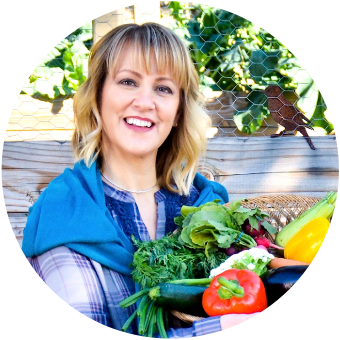
Welcome Leah Vandervelt to my Plant Chat today! Leah is the author of The New Nourishing, a cookbook featuring delicious, plant-based comfort food to feed the body and soul. Leah was also the food editor at the health and wellness website MindBodyGreen, where she wrote and developed whole-food recipes and edited content about nutrition, health and cultivating a positive relationship with food. She has also previously worked for Vogue and Vanity Fair in the US, as well as for lifestyle and design magazine Home Beautiful in Australia. She is certified in Culinary Nutrition from the Natural Gourmet Institute in New York City and lives in Brooklyn with her husband Fabian. Continue to learn more about Leah and her best tips for a plant-based lifestyle.
Tell us about your own journey to plant-based eating; what inspired you?
I decided to become a vegetarian when I started cooking for myself at the end of college and my first few years out of school. It was cheaper and I was way more interested in how creative I could get with vegetables and plant-based protein than I was with meat.
When my boyfriend (now husband) and I decided to go on a backpacking trip through Europe, I started integrating more meat, as I realized my body was craving it and it was easier to navigate foreign menus if you opened yourself up to more options, but we cooked plant-based for the two of us at home.
I’ve maintained the plant-based at home and “Vegan Before 6” mentality for many years now, and it’s what feels the best for me. Plants give me a ton of energy and keep my body feeling good, but I’m also not opposed to getting good-quality meat or fish occasionally. I don’t strictly adhere to any diet, but plants are always at the center of my plate, no matter what. It’s what keeps me feeling truly satisfied.
What do you find to be the biggest benefit for eating a plant-based diet?
I love the abundant feeling of eating plant-based, especially when your favorite types of produce are in season. I joke that I really got into plants because I’m greedy — I love a big bowl of food and like to feel like I can eat as much as I want without feeling weighed down and lethargic afterwards and you can totally do that with plants! Plus, when you can make plants taste amazing, you feel like you can do anything.

What is the inspiration behind your book, The New Nourishing?
I wanted to share my love of plant-based food with everyone, especially people who are maybe new to the whole plant-based concept and looking to integrate more veggie-focused dishes into their weekly rotation. I wanted to touch on the fact that we benefit most from food that’s pleasing to both our bodies and our minds. I think we need to look at the notion of food as comfort in a new way. Making plant-based dishes that are comforting to us in different ways (not just the standard of fried foods and creamy sauces), is a way of giving people more options. A plant-based curry or stew can be just as comforting if not more so than a meat or dairy-based one.
Can you give us your best tips for putting joy into plant-based cooking?
I think finding a few ingredients that you really love and making them shine is a great place to start. Maybe you’re not going to become a kale convert on day one (believe me, I get it!) but maybe you discover you love roasted cauliflower or butternut squash — awesome. Start by combining those foods with other flavors you love, be it buffalo or BBQ sauce, smoky cumin or paprika, or herb pestos — and boom, you’ve got a plant-based dish that you really love to eat, that also happens to be great for you nutritionally. That’s what real nourishment is about it me — the combination of pleasure and nutrients.
What are some of the top lessons you’ve learned from your social community at MindBodyGreen about plant-based lifestyles? What messages truly resonate with people? What issues do they care about?
I think it’s so cool that so many readers and contributors to MindBodyGreen are so excited about the plant-based lifestyle. So many people are drawn to it because there are real, tangible benefits they’ve experienced personally. From managing pain to healing digestive issues, eating more plant-based has helped a lot of people, who in turn, want to share what they’ve learned.
Recently, I’ve seen a lot of people eschew any kind of label on their eating, which I’m all for. So while someone may maintain a predominantly plant-based lifestyle, they’re open to all foods and don’t want to be put in an Instagram-friendly box just for the sake of it. I think it’s great that people are taking an individual approach to health and finding what’s best for them.
I think women’s health is a major point of interest in the community as well — eating for hormonal balance, managing PCOS and endometriosis, and fertility is gaining more traction, and I think it’s really fantastic. Anything that promotes a deeper understanding of our individual bodies is great, because we’re all different and there really is no one size fits all fix for anyone, but we can all share what we’ve learned with each other in hopes of helping someone else.
I am no longer the food editor at MBG but I was when the book went to print! I still love MBG and collaborate with them regularly.
If I opened up your refrigerator and pantry, what would I find there?
SO many things in glass jars — right now I have 3 different types of salad dressings I made (the tahini ranch from The New Nourishing, a simple vinaigrette, and a miso almond butter sauce) and a few leftovers from recipe testing — I’m working on a porridge cookbook right now, so there’s always some kind of mystery grain-based porridge in there.
I always have spinach and romaine lettuce, lots of lemons, carrots, zucchini, olives (I can’t resist fancy olive bars!), avocados, coconut milk, tons of different types of hot sauce, ginger, and kombucha. And I’ve currently got some farmer’s market tomatoes and peaches on my counter — I can’t get enough of them!
My pantry has a bunch of spices (smoked paprika and cinnamon probably get the biggest workout), so many salts (sesame salt, smoked chipotle salt, pink Himalayan, Maldon sea salt, etc.), lots of vinegars, olive oil, and coconut oil.
What myths would you like to dispel on plant-based eating?
That it needs to be all or nothing. You’ve got to do what works for your lifestyle and you also need to feel like you’re not depriving yourself at all. Plant-based eating should be about celebrating the vegetables, fruits, legumes, nuts, and whole grains that we’re lucky to be able to grow. It should feel delicious and exciting, and if it’s not try something new — like roasting your veggies, making a killer sauce, or adding an extra sprinkle of salt — and I bet you’ll find something you love.