

Plant Chat: Dr. Stacy Mitchell Doyle, M.D, FoodTherapyMD
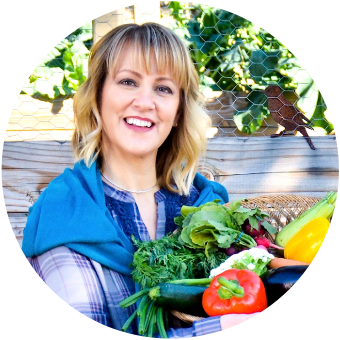


I’m so glad to have Dr. Stacy Mitchell Doyle, MD, on my plant chat today. After training and residency at UCLA Medical Center, Dr. Stacy developed a private practice in Los Angeles. She is board certified in Internal Medicine and has recently turned to food as medicine. Spending nearly two decades serving patients, she realizes that real true medicine starts with diets, not symptom-treating prescriptions. Dr. Stacy runs FoodTherapyMD, an online patient care and education center that discusses food-as-medicine treatments for chronic diseases and promotes true health. She is currently working on her book project which addresses our growing dependence on pharmaceuticals and offers plant-based nutritional alternatives. Continue reading to learn more about her plant-based practice!
As a physician, what do you see as the most important issues regarding the increase of chronic disease in the US?
One important issue regarding the increase of chronic disease is the incredible amount of pharmaceuticals people now take, and how the “pharmaceuticalization” of healthcare is actually making us sicker. I’ve never been silent about my views on how Big Pharma influences how doctors treat their patients. Most doctors erroneously think the issue is whether pharmaceutical dinners or events change their prescribing habits, like the difference between giving drug A and drug B to a patient. The issue isn’t which drug you push, it’s that your first and only reflex is to prescribe a drug. I often wonder if instead of pharmaceutical reps in your office and in your ear everyday telling you about drug benefits, we had organic farmers doing the same – for example, hearing about the benefits of beets to lower blood pressure. So when a patient comes into our office with hypertension, our reflex would be prescribe beets instead of a pill. The corporate influence on medicine is the reason why so many people receive conflicting and inaccurate health and nutrition advice, and also the reason why doctors are only training the in the pharmaceutical option. The world doesn’t need another diabetes drug. No new injection will change the course of the skyrocketing rates of diabetes and other chronic illness.
The societal cost of being sick is also a huge issue and not just with the monetary costs. Everyone agrees that the cost of chronic illness on our government is just not sustainable but there are other costs as well. The cost in productivity, in happiness and wellbeing is severely affected. I see so many patients coming through the ER over and over that can barely walk due to obesity and heart failure, or they have diabetic wounds that won’t heal or with body parts needing to be amputated every year. And it’s really sad but the thing is, it is totally avoidable. These people aren’t suffering from diabetes or heart failure, they are suffering from an eating disorder and you don’t cure eating disorders with drugs. You change the way you eat. But their doctors are negligent by not giving them a lifesaving (and spirit-saving) option.
How do you apply plant-based nutrition into your practice on a practical level? Do you incorporate it into your patient visits?
I left my private practice in 2016 because it wasn’t feasible for me to educate and practice the way I needed to under the current restraints placed on doctors. While I was in practice, I would use my prescription pad to give “nutritional scripts” to patients. Like if a patient’s blood pressure was high, I would prescribe nitric oxide-releasing vegetables like arugula or beets twice a day. And of course, every appointment was an opportunity to take another step in transitioning to a plant-based diet with them, like to stop eating red meat or to only eat fruit and grains for breakfast. Then when they returned in a month, we would take another step until they were totally on a plant-based diet. The best part is that when they began the journey and started being taken OFF their drugs, they felt so much better and I didn’t have to push them anymore!

Tell us about how FoodTherapyMD works?
FoodTherapyMD is an online resource for people looking for a different perspective on their healthcare. We use evidence-based nutrition, and promote plant-based diets for disease prevention and management. We also go one step further. We recognize that even though all plants have anti-inflammatory, antioxidant and immune-boosting properties, certain phytonutrients in plant foods have specific properties that enable them to reverse specific diseases. So, people with particular health concerns can obtain information on how to add specific plant foods into their diet. Next month, we are also starting our Second Opinion service where people can obtain a personalized nutritional consult from us, with suggestions on how to improve their health and decrease/eliminate prescription drugs. Of course, I always recommend that they work closely with their personal physician and not to stop any medication without discussing it with their doctor first. Interestingly enough, I’ve found that when patients begin telling their doctors about the changes in their diet and the doctors see the results, it actually educates the physician! And now, we have not only converted the patient to a new way of looking at health, but the doctor as well!
What kind of success have you seen with using plant-based nutrition among your patients?
The immediate successes I see with my food protocols are things like remarkably lowering of blood pressure or blood sugar. Also, patients that were limited to only a few steps due to angina or shortness of breath improved enough to be able to walk for more and longer distances. Sore joints and arthritis pains generally improve dramatically within a short time of starting a plant-based diet. And of course, there is the inevitable decrease in medication doses, if not eliminating the drug use completely.
I was surprised at first because I always told my patients that if they could stick with this way of eating, they would see results in about six months, but I was wrong! For those that embraced a whole food, plant-based diet completely, the results were evident in about 3 weeks. Most amazingly was the way people felt after changing their diets – more energy, more mobility, less pain and depression. Their attitudes about life and their future completely turned around and they finally had hope. That is probably the most rewarding part of what I am able to do at FoodTherapyMD.
What does your own personal health and wellness plan look like? Does your whole family follows a plant-based diet?
My own health and wellness plan (same with my career as a doctor) has evolved over the years. Ten years ago, I believed I was eating healthy. I didn’t eat red meat but still ate chicken, eggs and dairy on a daily basis. As I started to educate myself, I realized most of what I was taught in medical school about nutrition (which was very little) was just plain wrong. Now, I stick to a whole food, plant-based diet and limit fish intake to maybe once a week. I eat a lot of whole grains, beans, veggies and fruits. I make sure to eat at least 10 servings of vegetables and fruits per day, with 2 of those servings being cruciferous vegetables. I don’t eat junk food or processed foods. Once every 1 or 2 weeks, I’ll have date night with my husband so I relax a bit but still generally stick to plant-based foods. My weakness is bread and butter. But I’ve found that if I don’t bring those into the house, I won’t eat them. My husband eats what I cook at home, which is plant-based and a maximum of 10 percent of daily calories from animal sources or processed white flour/sugar. But please don’t ask me what he eats when he’s away from home! I try not to think too hard about it. Being physically active is also important, so we do a lot of hiking, running and Brazilian Jui-Jitsu (one of my big pleasures). I’ve found martial arts to be a great way to focus and release stress!
What are your top tips for inspiring people to consider a plant-based diet?
I’ve always been big on empowerment so that’s my message. As an African-American woman in this country, I have often felt a sense of helplessness and powerlessness about the amount of control I had over my life and certain circumstances. I know the sickest of my patients often feel the same way. The take bags of pills everyday but still continue to feel miserable and hopeless, like they are victims to their disease. But that’s just not true. I try to empower them to take back control of their lives and their health and it can be done just be changing the types of food you consume every day. Empowerment is funny in how contagious it is. Once people take control of their health and their bodies, they can’t help but start gaining a sense of empowerment with other aspects of their lives, like with their families, jobs, relationships or even communities. So I tell them that this isn’t JUST about their diet. It’s much bigger than that. When they make that change and feel better than they’ve felt in years, they finally get the full import of what they’ve accomplished.
Do you have a favorite plant-based recipe to share with us?
I’m from Texas, so to me, everything tastes better in a taco! Portobello mushrooms are such a great meat substitute. And, sometimes I marinate them in beer, put them on the grill for tacos along with black beans, rice, fresh corn, peppers and pico de gallo. That’s one of my favorite plant-based dishes.