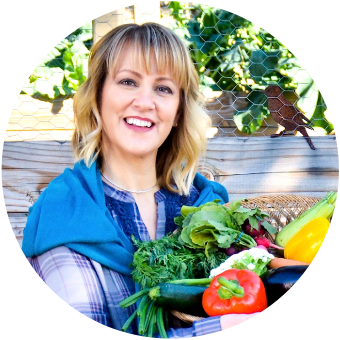
I’m so glad to have Alli Clute on my blog today! Alli is the Food Policy Outreach and Events Manager for the Humane Society of the United States (HSUS). She manages HSUS’s Food Forward events as well as other events and initiatives to help schools,
hospitals, universities, and other institutions increase and promote their plant-based menu options. Prior to joining HSUS, she worked for a medical weight-loss company in order to help people eat healthier. After spending time in this industry, she realized that eating more of a wholesome, plant-based diet is the easiest, most natural way to maintain a healthy weight—and help the planet and animals at the same time. You can follow Alli on Twitter.
Please tell us a little bit about how the Food Forward program got started?
At the Humane Society of the United States, we meet with foodservice operations all across the nation to help guide them in their journey to create a healthier, more sustainable, and cost-effective dining operation through adding more plant-based foods to their menu. We’ve found that more and more foodservice professionals that we meet with want more information and ideas, so we thought, why not create a meeting place where everyone can learn from each other and bounce ideas off one another? The first program took place in July 2013 and has been growing ever since, including the development of “Food Forward Culinary Experience”, a two-day in-kitchen hands-on training that equips institutional food staff with more knowledge on how to prepare plant-based meals.
What is your overall goal and mission for Food Forward?
The goal is to equip food service professionals with the tools and resources to evolve their institutions’ dining function and experience through offering more wholesome, plant-based foods. But what’s most important—our greater mission— is to bring people together, learn from and inspire one another, and work as a community to take steps toward building a healthier, more sustainable, profitable, and kinder world starting in their kitchen.
What kind of success have you seen with this program?
Entire K-12 school districts, hospitals, and universities, as well as over-arching foodservice companies like Compass Group, are implementing meat reduction initiatives. Whether it’s through programs like Meatless Monday, Lean & Green Day, or their self-branded programs, they’re seeing an improvement in their employees’ and guests’ health, a decrease in their carbon footprint, and cost-savings. Valley Hospital in New Jersey, for example, reduced their annual meat purchases by just 5% saving roughly $46,000, and Oakland Unified School District’s plate cost for meatless meals is down to $1.20.
Has the reception for Food Forward taken you a bit by surprise?
Honestly, not really. The desire for meat-free dishes and the concept of “flexitarianism” are increasingly becoming topics of interest to the general public, customers dining in all foodservice sectors, and food companies. And given that it’s an institution’s goal to cater to their guests and meet demands in order to be profitable—as with any business—it makes sense. I am pleased, however, that the program continues to grow, in large part due to the growing prevalence of plant-based eating and through the partnership of institutions and organizations that are experiencing success in such meat reduction initiatives.
Why do you think this message resonates with people?
There are so many reasons to eat and serve more plant-based foods that when people learn of them, the choice to create a more plant-powered menu becomes clear. Whether it’s the USDA or U.S. Department of Health and Human Services recommending we should all eat more plants and less meat, the Food and Agriculture Organization stating that animal agriculture contributes 15% of the world’s human-induced greenhouse gas emissions, or Food Navigator reporting that plant-based eating is going mainstream, the reasons just add up. From nutritionists creating diet plans for individual patients to foodservice directors responsible for feeding thousands of growing children each day, people with decision-making power over food feel compelled to do right by those that they’re serving. They’re empowered knowing they can have a tremendous influence on something so vitally important: the fuel we put into our bodies and the habits we create or break on a daily basis.
What is your own personal journey towards plant-based eating?
In college I watched a video that depicted how animals were treated on factory farms, and it got me thinking about my eating choices. Then through a little research, I found that eating plant-based is arguably one of the healthiest diets, having many salubrious effects on the body, and was sold that choosing a plant-based lifestyle was for me. Before joining HSUS, I worked for a medical weight-loss company— as I’ve always had an interest in helping people through healthy eating— and, after spending time in this industry, I realized that eating more of a wholesome, plant-based diet is the easiest, most natural way to maintain a healthy body. So here I am, spreading the word through institutional outreach in effort to help people and animals alike.
If someone is interested in developing a plant-based eating style, what are your best tips to get them started?
I’d suggest going at a pace that works for you. In the beginning, it doesn’t have to be all or nothing. When I transitioned, I started by replacing many animal products at home with alternatives, like replacing cow’s milk with soy or almond milk or replacing animal-based meats with plant-based meats, tofu, or tempeh. There’s no shortage of these products from which to choose nowadays, and just about any animal-based dish can be made into a plant-based dish. To start, I’d stick to recipes and tastes that are familiar to you and then branch out. There are thousands of recipes available right at your fingertips, thanks to the internet, and a whole new world of food just waiting for you to discover!
Please share your 5 favorite foods that you just can’t live without.
Oh, this is going to be hard to pick just five! One of my favorite dishes to make is spicy cashew dill “cheese” with crackers or bread. I also love anything Mexican, though others include BLTs (with Lightlife Smart Bacon and Just Mayo), Tiki Masala Curry with tofu and veggies, and my staple kale/spinach, berry, and oat smoothie with various seeds and nuts. My “go to” meal is a little unique: I top tempeh or a veggie patty of some sort with hummus, tomato, and onion and wrap it in nori. It’s different, but even my meat-eating roommate loves it!
Do you have a favorite plant-based recipe you can share?
Since chickpeas are all the rage right now, and even one of the top food trends of 2016, I’ll share a mouth-watering dish created by my colleague and friend Eddie Garza.
Ingredients
Scale
1 ½ tablespoon extra virgin olive oil
½ cup yellow onion, diced
4 cloves garlic, minced
¼ teaspoon salt
½ teaspoon cumin powder
¼ teaspoon dry thyme
½ teaspoon dry oregano
¼ teaspoon ground black pepper
¼ teaspoon ground cinnamon
⅛ teaspoon ground cloves
1 teaspoon coriander powder
½ teaspoon paprika
½ teaspoon chipotle pepper powder
1 teaspoon chili powder
1 ½ tablespoon chopped sundried tomatoes
1 teaspoon tamari
2 teaspoon apple cider vinegar
1 15 ounces can of chickpeas, rinsed and drained
Instructions
In a large pan, heat oil at medium-high. Add onion, garlic, and salt and cook for 5 to 6 minutes or until golden.
Add all dry spices and sundried tomatoes and mix well. Add chickpeas, tamari, and vinegar and toss until combined.
Mash mixture lightly until chickpeas are crumbly. Mix well and cook for 5-7 more minutes, stirring occasionally.
Serve “Garbanzorizo” in breakfast burritos, tacos, nachos, anything!