

Plant Chat: Andre Leu, author of The Myth of Safe Pesticides
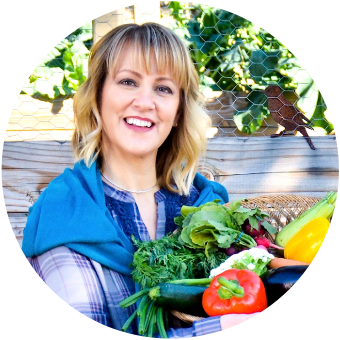


André Leu is the author of The Myths of Safe Pesticides and President of the International Federation of Organic Agricultural Movements (IFOAM), the world umbrella body for the organic sector. Leu has extensive publications in such outlets as the New Internationalist, The Journal of Organic Systems, Acta Horticulturae, The Journal of the International Society for Horticultural Science, The Australian Organic Journal, American Bamboo Society Journal, Heartwise, Wholly Organic, The Organize Way, The Organic Standard, Ecology and Farming. He and his wife, Julia, own an organic tropical fruit orchard in Daintree, Queensland that supplies quality controlled fruit to local and international markets.
What evidence-based health risks do pesticides in our food system cause?
There are hundreds of scientific studies showing that the common pesticide residues in our food are contributing to numerous health problems. In particular, a large body of published, peer-reviewed scientific research shows that pesticide exposure in unborn and growing children is linked to:
• Cancers
• Thyroid disorders
• Immune system problems
• Lower IQs
• Attention deficit hyperactivity disorder
• Autism spectrum disorders
• Lack of physical coordination
• Loss of temper—anger management issues
• Bipolar/schizophrenia spectrum of illnesses
• Depression
• Digestive system problems
• Cardiovascular disease
• Reproductive problems (as adults)
• Deformities of the genital-urinary systems
• Changes to metabolic systems, including childhood obesity and diabetes
Does it help to eat organic produce, since they use pesticides, too?
Organic produce does not use synthetic toxic pesticides. Most of the pest, disease and weed control comes through cultural and ecological methods. In some cases, substances of natural biological or mineral origin are used. Most of these are non toxic, such as mild soap, clay or vegetable oil, however the few that are toxic, such as natural pyrethrums, rapidly biodegrade so that are no residues in organic food. Research shows that where these natural controls are used, the use is 90% less than the toxic pesticides in conventional farming.
Studies show that when children start eating organic food the pesticides levels in their bodies drop rapidly in a few days. Most of the pesticide residues in children come from the consumption of non-organic food.
What should consumers do? What if they can’t afford organic produce?
Good health should be our primary concern. Food is a small percentage of most people’s budgets and it is better to increase the percentage we spend on food to ensure good health, especially when it comes to our children. Given the dangers of cancers, degenerative diseases, immune system diseases, nervous system damage, hormone disruption and other problems that come from pesticides in food, organic food is excellent value.
Do you think guides like the Dirty Dozen can help people make better choices?
The research shows that there are no safe levels of many of the commons pesticides found in food, especially for children and the unborn. The smallest amounts can cause significant problems. Most pesticide exposure comes from food. Avoiding the Dirty Dozen will not stop people, especially children, from being exposed to the residues of multiple pesticides that found in most foods and are linked to a range of serious health problems.
Should people worry about buying all foods organic, or just produce?
The majority of food from conventional farming has residues of multiple pesticides. This includes processed foods, as many of the modern pesticides are systemic which means that they pervade every part of the food. Washing and processing cannot remove them. Eating organic food is the only proven way to avoid these toxic pesticides.
Note: I am not a spokesperson or profiting from these products or companies; just providing my own unsolicited opinion about popular products, services, and organizations in the food world today!