

Plant-Based Dining Etiquette from the Experts
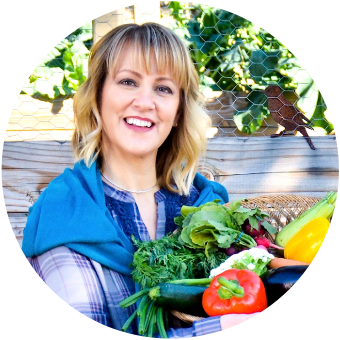


Hey, you know what it’s like when you’re trying to eat plant-based, but you don’t want to cause a “fuss” at a restaurant or a dinner party. In fact, I think this is a major stumbling block for many people focused on a vegan or vegetarian lifestyle. So, I asked some of my favorite plant-based food experts for their best advice on plant-based dining etiquette.
Jill Nussinow, MS, RDN, The Veggie Queen™, culinary educator and cookbook author
I make the awkward less awkward by making sure that when I travel, I always have something that I can eat with me, even if it’s just a little pouch of almond butter, trail mix, crackers or dried seaweed. (Sounds strange to some but I’m not that good at going without food. It makes me cranky.) I always travel with extra food. I could likely be stranded in an airport for a couple of days and not starve, even though I don’t think that I’d be well nourished. Apples travel well so…
The key in restaurants is to explain what you want in very clear terms or else you are at their mercy. If they serve baked potatoes, that’s easy. If not, I might ask for a plain salad. Most restaurants will often have something that I will eat, even if it’s not my “ideal” choice. Eating in restaurants with others is often about the socialness of it so I try to be as social as possible.
The most challenging situation is often at people’s homes, although I live in Northern California which is such a “food aware” area that it’s almost commonplace for people to ask about your food preferences. They are used to the whole gamut of food styles. But if they aren’t and I can prepare a dish to bring, I will try to coordinate with the host or hostess so that I will be sure to have at least some part of the meal to eat. I recently had a wonderful dinner with associates of my husband who asked about my food preferences. When the woman, the cook, heard about vegan, gluten-free she cooked a most amazing bean dish for me, and made gluten-free vegan corn muffins which her 10-year-old child recognized as being different than usual. I so appreciated the effort and loved the bean dish so much that my version of her dish will be in my next cookbook.
The key to handling these situations is to not feel awkward about them. Feel like you are taking care of yourself in the process because that is what you are doing. It’s a great time to educate, as well, if it seems appropriate.
A. Michelle Blakeley, The Vegetarian Aficionado, blogger
Here are my best tips:
• When traveling, use food apps like Foodspotting, Foodtripping and Farmstand. They can point you in the right direction to find clean, fresh and delicious food while on the go.
• When visiting, bring a dish to share and one for yourself. Ironically, the vegetarian and vegan dishes often get eaten up quick and first by carnivores. So, bring a dish to share (and a small one for yourself, if necessary)
• At restaurants, try to get a peek at the menu ahead of time (via Google or something). This is where Foodspotting or Foodtripping may come in handy. It pulls up dishes nearby and you can quickly search and see what is vegetarian or vegan. This way you are not caught off guard having to scan through the entire menu reviewing ingredients while others wait on you.
Alex Caspero, registered dietitian and blogger at delishknowledge.com
I’m a big fan of letting people know ahead of time. Whether I am making reservations or visiting other people’s homes for meals, I let them know up front my dietary preferences. When I dine out, I find that the chef appreciates knowing that he will have a veg “party of two” reservation booked so he can plan ahead of time. Of course, that doesn’t always work, especially if dinner is impromptu and you don’t have time to call ahead. In that case, I scan the menu for all possible options. Just because something isn’t listed as “vegan” or “vegetarian” doesn’t mean it can’t be prepared that way. I’ve made many meals by selecting side dishes of various entrees and combining them to make a vegetable plate. I remember I used to be embarrassed to ask for special meals but I soon got tired of pasta with red sauce. Now, if I’m going out to dinner I like to enjoy my meal as well! Don’t hesitate to ask! I also hope that the more requests restaurants get, then hopefully they will offer more and more vegan meals.
A few weeks ago we were at an awards dinner and my husband pulled aside the wait staff to let them know that we would need a vegetarian option. A few minutes later, the catering manager came over to let us know that we would “not be accommodated” because they didn’t know ahead of time and only prepared 3 vegan alternatives. However, they were serving a salad and vegetable side that we could eat from. When the meals finally came we were shocked to see a vegetable platter of green beans… covered in bacon! Lesson learned. Now, I always keep a stash of bars in my purse for moments like this 🙂
When eating at a friend’s house, I always offer to bring something. I feel like this is a win-win for both me and the hostess. I get to show how delicious meat-free eating can be and my omnivore friends don’t have to sweat it out over “what to serve”. Plus, I know no matter what is served, I will be happy and satisfied.
Danielle Bussone, “Time For Change: Whole Food For Whole Health” www.vegginoutandabout.com
Well-meaning family and friends seem to suddenly become experts on what you should eat when you change to a healthier way of life. You don’t have to argue, become defensive, or get into long discussions with them when you sit down to a family dinner and they try to pile loads of animal proteins onto your plate. You can stick to your guns without being rude. Just politely decline and bring your own food.
Be considerate and let your host or hostess know in advance that you won’t be eating animal products, added oils or salt. That way they don’t prepare your former favorite meal only to have you decline it. Just as it isn’t fair for them to force their choices on you, it isn’t fair to expect other people to cater to your needs. Asking hosts to prepare a special meal or special side dishes for you can be more effort than you may know, and in my opinion is uncalled for. Even asking them to provide a simple baked potato and a salad throws off their whole game plan especially if other guests are included in the invitation. A baked potato requires an entire hour to cook, monopolizing the oven which may be needed to prepare the main course for other guests. A salad takes additional preparation time when your host may be juggling other tasks. If they have the time, love to cook and want to make something special for you, then of course you may accept their hospitality.
Breaking bread with friends is more about spending time together than about the food that is being served. Often it is more considerate to just bring something you can eat to any occasion where you must interact with omnivores. When I receive a dinner invitation and tell my hosts I’ll bring my own food, invariably I see a wave of relief wash over them.
I have a Japanese friend, Sadako Ishizaki, who visits me from Tokyo every couple of years. I have become accustomed to her habit of pulling snacks out of her purse to munch on while we are together. It wasn’t until I became plant-based that I realized Sadako was controlling her food environment by providing for herself the items I had not realized she needed. I never even noticed!
Virginia Messina, MPH, RD, author of “Never Too Late to Go Vegan.”
The best advice for eating in restaurants is to dissect the menu offerings into their individual ingredients, scout out the side dishes, and then help the chef pull together something that is vegan and satisfying. For example, he or she could toss together some pasta or risotto with whatever veggies are on hand and maybe some olives and toasted nuts that are used in the salads on the menu.
Of course, the easiest way to get a great vegetarian or vegan meal is to head for local ethnic restaurants; Indian, Thai, Chinese, or Mediterranean are always good bets.
If I’m traveling by air, I always bring instant black bean soup cups. I can grab a salad at the airport and it makes a very filling meal. I also pack small packets of peanut butter and usually some mixed nuts just to have on hand.
Eating at someone else’s home is always trickiest. It’s important to be proactive, which means letting the host know that you are vegan or vegetarian and then offering to bring a dish or two to share with everyone. Be firm and gracious about it, letting your host know that you really want to do this because you have some special recipes that you want the to taste. It relieves them of feeling like they need to cook a special dish for you.
Matt Ruscigno, vegan ultra-athlete and registered dietitian
What I have learned in my 17 years of veganism—since I was a teenager—is simply this: Plan ahead, have realistic expectations and be polite. I’ve lived by these rules while bike touring from California through Mexico to Belize, racing endurance events in Europe and surviving in small mountain towns while backpacking. If I have to subsist on bananas and bars, I will, but if I can politely chat with a server or cook and explain my needs, I find they are almost always accommodating and will make SOMETHING I can eat. Remember this: veganism is a worthwhile cause that is about the animals and the environment, but it is easily misconstrued as just another selfish, annoying demand by a self-important jerk. Don’t be that person!