

The Plant-Powered Dietitian’s Take on Juicing
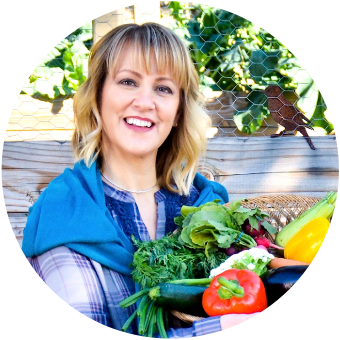


Whenever I give a nutrition talk to the public, it seems I always get asked about juicing! So many people are hopping on the juicing bandwagon. So what’s my take on juicing? Here’s my 3-step nutrition advice on juicing.
1. My first line of advice is to prioritize eating whole, unprocessed fruits and vegetables in their natural form—peel, pulp, fiber, sometimes seeds, membranes and all. When you eat them this way you gain all of the benefits of the plant food. The variety of fibers found in the whole fruit or veggie slows down the absorption of the natural sugars and provides you with all sorts of benefits, such as heart health and digestive benefits—fiber even feeds your friendly bacteria to support immune health. The whole form contains more phytochemicals, which are often concentrated in the outer flesh and peel of the plant food. And whole fruits and vegetables are less concentrated, so they contain fewer calories in a bigger serving. Fruits and veggies are so healthy I recommend that you aim for at least 3 servings of fruits and 6 servings of veggies every day. This habit can lower your risk of many chronic diseases.
2. My second line of advice is that if you have trouble getting all of these servings in every day as whole foods, it’s ok to have them in their juiced form once a day. This can be especially helpful for people who have a hard time eating enough fruits and vegetables for many reasons, including poor appetite and even dislike of veggies. You’d be surprised how many people want to eat healthy, but they just don’t like things like green vegetables! So that’s why I think juicing can hold a place for everyone. It doesn’t mean that you have to juice, but if this works for you, go for it! Just try to limit it to one of your servings of fruits and veggies every day.
3. So, if you’re going to try juicing, here’s my best advice. If you can find a process that leaves more of the whole fruit the mix, then that’s your best option. For example, some high level processors are actually blending the fruits and vegetables, so you can gain the benefits of the entire plant—fiber, skin, seeds and all. However, many juicers extract this good stuff and leave you with the refined, concentrated juice behind. If you’re going to favor a filtered juice like this, then make sure you are packing it mostly with vegetables to limit the amount of natural sugars you gain from fruits. Fruit juices are very concentrated in natural sugars; depending on the type of fruit, it may take about 3 servings of fruits to get a single small serving of juice, which means you’re getting all of those concentrated fruits in a single gulp or two. When these sugars are consumed without the benefit of fiber to slow down the absorption, they can produce quick rises in the blood glucose. So, as a general rule of thumb, up the veggies and lower the fruit to get your healthiest juice of all.
Make sure you include a variety of fresh, nutrient-packed veggies:
• Deep green leafy vegetables, such as kale, spinach or arugula for a landslide of important nutrients and phytochemicals, such as lutein.
• Orange-red-yellow veggies, such as carrots, bell peppers, and tomatoes for carotenoids linked with heart protection.
• Mild-flavored veggies, such as cucumbers and celery to tone down the pungent flavor and provide nutrition, too.
• Herbal plants, such as ginger and turmeric root for anti-inflammatory properties
• Add a touch of fruit: citrus, apple, berries, or melon to even out the pungent vegetable tones.
If you’re thinking about trying a juicer, check out Williams-Sonoma. And read my review on the Tristar Slowstar Slow Juicer here.
Note: I am not a spokesperson or profiting from these products or companies; just providing my own unsolicited opinion about popular products, services, and organizations in the food world today!