

On a California Almond Orchard


I was so excited to be invited to attend the California Almond Tour this fall. After all, one of my favorite things about living in this beautiful state is the abundance of plant foods that flourish under the warm sun. And one of the most important crops of the bunch is almonds—they are the #1 California agricultural export crop in terms of value, and approximately 80% of the world’s almonds come from California. Over the years, as I travel around California, I’ve learned to keep my eyes open, always on the look out for those lovely rows of almond trees that line the highways. And, thanks to the California Almond Tour, I feel like I’m a walking encyclopedia on almonds!
Why do we grow almonds in California? Well, for starters, they’re a very special kind of tree, which can only grow in a few specific areas. They cannot withstand frost, so they’re perfectly suited to grow in the sunny, pleasant climate of California. Come early spring, the valleys are filled with snowy trees—the sign that the almonds are in bloom. The bees come and do their work of pollination. And then a tiny fruit begins to form on the tree—the young almond, encased in its green hull. In fact, in some culinary traditions people eat immature “green almonds”—hull and all. But most of us prefer to eat mature almonds, after the hull browns and starts to split. Once this occurs, the almonds are harvested from the tree, separated from their hull and shell, and sorted.
Almonds on the floor of the orchard, drying in the sun
I got to see the entire process of harvesting fresh almonds up close and personal. We traveled to a family almond farm near Lodi to observe the harvest. The almond shaker approached each tree, where mechanical arms came out to grasp the tree trunk and give it a vigorous shaking. The almonds came pouring down like rain! They are left on the ground for several days where they naturally dry in the sun before they are swept up and harvested, then transferred to a nearby almond processor, who sorts the almonds and packages them. Almonds are also pasteurized in order to protect against food borne illness.

Almonds going down the sorting line
There are lots of varieties of almonds, such as Nonpareil, Sonora, Monterey, Butte, and Mission. And almonds come in many forms, such as slivered, sliced, diced, whole, and even meal. Not to mention the popular form of almond milk.
An almond, fresh off the tree—hull and all.
One of the most interesting things about almonds, I think, is that they are part of so many culinary traditions. Even though almonds cannot grow in many locations, they have found their way into traditional dishes all the way up to Northern Europe and across to the East in Asia. For example, many Swedish baked foods feature almonds, such as almond tarts and the traditional Christmas rice porridge. Legend has it that families are required to prepare a simple batch of rice porridge on Christmas Eve—leaving one bowl in the barn for the “barn elves”. By doing this, the elves might be so appreciative they would abandon their mean tricks during the year. In addition, one almond is hidden in the rice porridge—who ever gets the almond in his or her dish is lucky for the whole year. It’s fascinating that such legends take place for an ingredient that doesn’t even grow in this chilly part of the world. But the sweet, fragrant flavors and aromas of almonds have been transported around the globe, where they have become part of many foods and dishes—often with messages of celebration—including marzipan, almond cookies, and Jordan almonds.
One of the things I like best about almonds is their nutritional profile. For a plant-powered eater, they are particularly important, because of nutrients like protein and calcium. A single ounce of almonds contains 6 grams protein, 3.5 grams fiber, 200 milligrams potassium, 76 milligrams magnesium, .9 milligrams zinc, 14 micrograms folate, .3 milligrams riboflavin, 1 milligram niacin, 7.4 mg vitamin E, 75 milligrams calcium, and 1.1 milligrams of iron. This is in addition to their health-promoting phytochemicals. Scientific research has linked eating almonds to lots of health benefits, including heart health, reduced risk of diabetes, weight management, gut health, and more. That’s why I recommend eating one to two servings (a handful) of nuts, such as almonds, every single day!
There are lots of delicious ways to include almonds in your day. Here are some of my favorite ways:
• Sprinkle almonds over your morning cereal, such as steel cut oats or cooked quinoa or farro.
• Make a healthy dessert or snack by layering yogurt (plant-based or dairy) with fruit and sliced almonds.
• Top a baked fruit cobbler with almonds.
• Toss them into a vegetable salad for a crunchy, nutritious bite.
• Make your own almond pesto by blending basil, olive oil, garlic and almonds.

Black Forest Almond Chocolate Granola Bar
created by: Chef John Csukor
yield 20, 1 ¼” BY 4 ¼” bars (20, 1 4/5 ounce bars)
Ingredients
8.5 g Almonds, whole, natural, roasted
6 oz Oats, thick rolled, toasted
8 g Fennel Seed, toasted, ground
8 g Chia Seed, toasted, ground
35 g Flax Seed, toasted
4 oz Cherries, dried
7 oz Brown Rice Syrup
1.5 g Salt, kosher
4 oz Almond Butter, roasted
3.5 oz Chocolate, dark, Barry 64% extra bitter, tempered
5 g Fluer de Sel, flakes
Procedure
1) In a medium sized bowl, combine roasted almonds, toasted, thick rolled oats, fennel seed, chia seed, flax seed and dried cherries.
2) In a medium, heavy bottomed sauce pan add the brown rice syrup and bring to a boil over medium high heat.
3) Brush sides with water to prevent crystallization of syrup.
4) Cook syrup to 235 to 240°F
5) Once the proper temperature has been reached add the almond butter and stir over low heat until melted.
6) Add the almond, oat and spice mixture to the almond butter and rice syrup and stir until the syrup has coated the dry mixture.
7) On a quarter sheet tray, lined with parchment and brushed with almond oil, place the finished mixture.
8) Evenly spread with your hands, which have been gloved and dipped in water to prevent sticking.
9) Cool immediately.
10) Once cool, cut into bars 1 ¼ inch by 4 ¼ inch and dip the bottoms in the tempered chocolate.
11) Transfer to a half sheet tray lined with parchment that has been lightly sprinkled with Fluer de sel.
12) Cool under refrigeration.
13) Store in an air tight container under refrigeration until ready to use.

Baked Almond Date Breakfast Bar
Yield 32, 1 oz bars
Ingredients:
2 oz Flax Mixture, prep*
4 oz Almond Butter, roasted
½ tsp Baking Soda
3 oz Almond Flour
3 oz Rice Flour
5 oz Rice Syrup
½ tsp Salt, kosher
1 ½ tsp Guar Gum
8 oz Dates, fresh
8 oz Almond Paste
*Flax mixture:
4 oz Golden Flaxseed, groud
24 oz Water, cold
Add both ingredients to a heavy bottom sauce pan and bring to a boil. Turn heat down to simmer and let simmer for 5 minutes and cool before using.
Procedure:
1) Combine flax mixture with almond butter and rice syrup in a medium sized bowl until completely mixed.
2) Combine almond flour, rice flour, salt, guar gum, and baking soda in a food processor until fine and completely mixed then add to almond butter mixture.
3) Let rest for 30 minutes in the refrigerator.
4) In food processor, puree dates and almond paste until a dry mixture.
5) Roll filling out into bars 9 inches long by 1 ½ inches wide by ¼ inch thick.
6) Roll out dough to 9 inches long by 3 inches wide by ¼ inch thick.
7) Place filling in the center of dough and fold over excess dough. There should be ¼ inch filling uncovered in the middle.
8) Cut into 3 inch bars and bake at 375°F for 5 minutes.

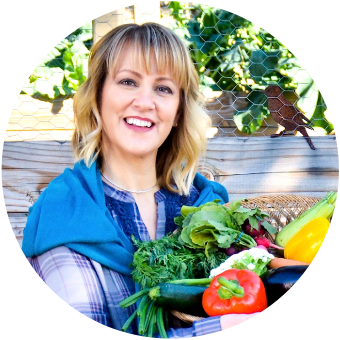
Featured Image: Sharon at a California almond orchard