

Plant Chat: Rachel Meltzer, MS, RD
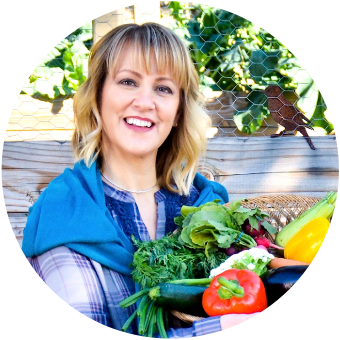


Welcome to my friend and colleague, Rachel Meltzer, who is a guest on my blog today! Rachel is a New York area-based dietitian, nutrition writer, educator, and counselor. She is the founder of RMW Nutrition—a company that brings together her varied experiences working in magazines, schools, and clinical settings with an unabashed passion for fantastic food. Rachel earned an MS in nutrition communication from the Friedman School of Nutrition Science and Policy at Tufts University, and a BA in magazine journalism from the University of Maryland, College Park. She is also a member of the Academy of Nutrition and Dietetics as part of the Dietitians in Business and Communication, Food and Culinary Professionals, Hunger and Environmental Nutrition, and Dietitians in Integrative and Functional Medicine dietary practice groups. Rachel recently wrote The Smart Girl’s Guide to Going Vegetarian, and it is just wonderful to see plant-based eating making its way towards this group. Come read more about what Rachel is doing!
What was your inspiration for writing The Smart Girl’s Guide to Going Vegetarian?
I’ve been a vegetarian since I was twelve years old, which was a huge part of the reason I developed an interest in nutrition and eventually became a registered dietitian nutritionist. As I got older, I noticed what a common experience mine was—so many people (especially women) I encountered had also become a vegetarian sometime in middle school or high school, or had tested out a meat-free or flexitarian diet during their teen years. Once I started practicing as an RDN, I started to see that not-uncommon youthful flirtation with vegetarianism through a different lens—whether or not meat-free eating lasts, what a great opportunity it is to engage with a young person about nutrition, and get her feeling excited and empowered about her food choices! I am fascinated by the transition kids make from people who eat what their parents give them to adults who survive on their own; the teen years are so crucial to building healthy relationships with food for one’s life, but middle and high schoolers are often not given much information or assistance to gain the knowledge and skills they need. So that’s where my main goal in writing the book came from. I wanted to provide an engaging, informative resource to teens who were curious about plant-based eating that would help them make the shift that is right for them in a positive, confident way. I say “the shift that is right for them,” because it was very important for me to create a book that would help readers eat a more plant-based diet, regardless of their starting point or eventual end point.
What can people learn from reading your book?
My book is aimed at young adult readers, however I always say it’s for anyone who is or who ever has been a teenager! Lots of adults tell me they’ve enjoyed it and learned a lot, which I’ve been pleasantly surprised to hear! You’ll learn the basics on the different “styles” of plant-based eating (from flexitarianism to lacto ovo vegetarianism to veganism, and everything in between), nutrients you need to look out for if you’re eliminating meat, and family-friendly recipes and meal and snack ideas. There are also features you won’t necessarily find in books for older readers, like how to find a veg-friendly college, surviving the dining hall, coping with less-than-supportive adults, and eating at chain restaurants.
Why did you become a dietitian, and what do you love about our work?
As I mentioned earlier, I stopped eating meat at age twelve, and assumed for years that meant I was healthy. But the more questions I would get (“where do you get your protein from?”…“aren’t you always hungry?”), the more I began to take an interest in what I was eating and how it impacted my body…and the more I realized that, no, I wasn’t eating such a nutritious diet! I started adjusting the way I ate (pretty much a carb- and cheese-atarian) and developed an appreciation I’d never had for all things plant-based…vegetables, fruits, beans, nuts. As I noticed changes in myself—how I felt, how I looked—I really caught the nutrition bug. My first semester of college I signed up for one nutrition course and totally fell in love with the subject. Then I enrolled in another course, and another… I was a journalism major, but taking these courses helped me realize that writing about nutrition would be pretty much my dream career. I eventually complemented my journalism degree with a master’s in nutrition communication at Tufts University, and then became a registered dietitian nutritionist. I love so many things about our work! It starts with a basic love for food, but it goes further than that. I just love the fact that every time we eat gives us an opportunity to impact and improve our health—and the health of the world. That is so powerful! I love that you can look at nutrition from the cellular level all the way up to to the most macro, social, economic, political, levels, etc. There’s always so much to learn.
What is your own personal nutrition philosophy?
I often say that food is meant to be enjoyed. Finding joy in food—every step along the way, growing/harvesting food (if you can!), shopping for it, cooking, and of course, eating—is central to building a sustainable, nutritious diet.
What are your top five favorite plant-powered foods you simply can’t live without?
Hard to narrow it down! But I’ll say: Avocado, tahini, baby spinach, bananas, and olive oil.
What are some of your favorite tips for people who are thinking about going plant-based?
Focus on what you ARE eating and what you’re not eating. Way too many new vegetarians fixate on what they’ve given up, which can make it hard. But if you think about all of the things you should eat more of—vibrant veggies, protein-packed beans, crunchy, satisfying nuts—you won’t feel like you’re missing out one bit.