

Plant Chat: Dr. Michael Greger
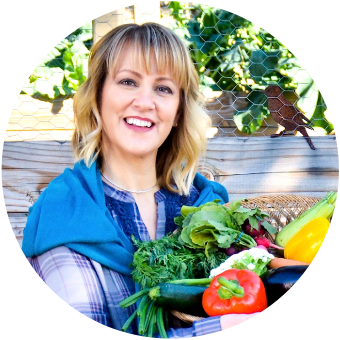


This week I had the incredible opportunity to speak with a founding member of the American College of Lifestyle Medicine, Michael Greger, MD. Dr. Greger is a physician, author, and internationally recognized speaker on nutrition, food safety, and public health issues. He has lectured at the Conference on World Affairs, testified before Congress, and was invited as an expert witness in the defense of Oprah Winfrey in the infamous “meat defamation” trial. Dr. Greger graduated from Cornell University’s School of Agriculture and Tufts University School of Medicine. Currently Dr. Greger serves as the Director of Public Health and Animal Agriculture at The Humane Society of the United States. More than a thousand of his nutrition videos are freely available at NutritionFacts.org, with new videos and articles uploaded every day.
What inspired you to turn to plant-based nutrition both professionally and personally?
I think the spark for many kids to want to become-a-doctor-when-they-grow-up is watching a grandparent get sick, or even die. But for me, it was my grandma getting better. When I was still a child, she had already had a couple open-heart bypass operations, and they ran out of arteries. There was nothing more she could do. Wheelchair bound, crushing chest pain… and then she heard about Nathan Pritikin’s program. If anyone needed heart disease reversal it was her. (Pritikin is a live-in program you stay for a few weeks, they put you on a plant-based diet, teach you cook, etc.) They wheeled her in, and she walked out. I’ll never forget that. And for a kid you know that’s all that matters, you get to play with grandma again. She was given her medical death sentence when she was 65, and thanks to a healthy diet she was able to enjoy another 28 years on this earth with her six grandkids, including me.
In the end, my grandma’s miraculous recovery from terminal heart disease through diet and exercise alone—remarkable as it was, was just one anecdote among many. Though it inspired me to pursue a career in medicine, I’ve always had a skeptical streak and just wasn’t convinced until Ornish’s landmark study in 1990 clobbered me over the head with enough science to change my own diet forever. Pritikin had been reversing heart disease with plant-based diets for years before Ornish came along, but here it was, in black and white, in one of the most prestigious medical journals in the world.
How did the idea for NutritionFacts.org first come about?
After spending 10 years on the road, speaking at medical schools, public libraries, churches, and universities, I realized there had to be a more efficient way to get the word out about dietary sanity. I knew I could reach more even people online than in person. The Jesse and Julie Rasch Foundation provided the critical start-up seed money and expertise to get us off the ground, (but now NutritionFacts.org runs strictly on the NPR or Wikipedia model of accepting donations from users who appreciate the content.)
What is next for NutritionFacts.org?
I don’t know that I can say I necessarily have an expectation of that sort. As a physician, I am alarmed by the epidemic rates of heart disease. It’s still our #1 killer worldwide. The overwhelming majority of scientific literature shows us that the only diet that’s ever been proven to prevent, reverse, or treat heart disease is a plant-based diet. So if we could just get the word out about what the evidence says, presumably we could end this heart disease epidemic. That is what gets me out of bed in the morning. I am excited to continue to make new material for NutritionFacts.org that I hope the site’s users will find helpful. By sharing what we know with those we care about, together we can save some lives!
When, if at all, do you feel that a tipping point will be reached and plant-based nutrition will become more mainstream and seem less ‘alternative’ in the health care community?
I believe we are getting very close to that point now. Look at the professional organizations, such as the American College of Lifestyle Medicine (of which I am a founding member) and the Plantrician Project that are helping mainstream health care providers learn more about plant-based nutrition. I made a video about the entire Kaiser-Permanente system that went plant-based 2 years ago—what a great source of mainstream health advice!
A very controversial topic, even within the plant-based world, is oil and if it contributes to or detracts from heart health. What evidence do you think supports your philosophy on whether we should avoid plant oils in the diet?
I don’t have a “philosophy” per se on oil. As a scientist, I can tell you what the science shows us. Oil (even the very popular extra virgin olive oil) is, by definition, a refined food, in the same way that cane sugar is a refined food. These are not health-promoting foods. Whole food sources of fat are best
What are your best tips for people who are interested in starting a plant-based diet, but just don’t know where to get started?
Dive into Sharon’s recipes on her Plant-Powered blog! Those beautiful pictures of the recipes are making me hungry! I’m a big fan of PCRM’s Kickstart program as well.
What are some of the most common health pitfalls that you see among people who eat a plant-based diet?
The most concerning one is Vitamin B12 deficiency: https://nutritionfacts.org/video/vegetarians-myelopathy/
Other than that, another issue I see frequently is in patients that are on medications for blood pressure and Type II Diabetes get great results quickly. Why is this a problem? Sometimes, these folks have such a speedy reversal of their disease that once they adopt a plant-based diet, if they continue to take their blood pressure and diabetes medications, they can become dizzy and hypoglycemic (low blood sugar) since the body has naturally returned to normal health. That is why I always encourage people to let their healthcare providers know if they are just starting on a plant-based diet, so that the healthcare provider can monitor meds (and frequently discontinue them). Much safer to have your healthcare provider decrease and wean you off your meds than to try to figure it out yourself. I’ve heard of too many new plant-based eaters getting dizzy and falling while trying to decrease their own meds!
What are some of your favorite foods and meals that you enjoy on a regular basis?
Ooooh there’s so many that I could write a whole 575 page book about them! Oh wait, I just did! Seriously, I detail all of the healthiest as well as my favorite foods and meals in my soon-to-be-released book “How Not to Die” (release date December 8, 2015). Hope you’ll check it out!
Note: Dr. Greger was interviewed by Heather Borders, Dietetic Intern, Wellness Workdays, Founder, Kailo Nutrition