

Plant Chat: Eric Brent, Founder of HappyCow
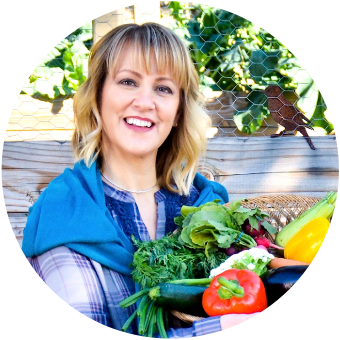


It is such an honor to have Eric Brent, founder and director of HappyCow, on my blog today! Eric started HappyCow in 1999 as a public service to help travelers find healthy, delicious vegan food along their journey. Today, HappyCow’s online community has grown to include members from around the world who are passionate about the plant-based lifestyle as a healthy, compassionate, and environmentally sustainable way of living. More than simply a restaurant and health food store guide, HappyCow is an ever-evolving online hub that serves millions worldwide as a one-stop resource for everything veg.
I have been told by many of my friends that the first thing they do when they touch down in a new city is turn on the HappyCow app on their smart phones, to locate the closest plant-based restaurant. So, I was really excited when I learned that Eric lives so close to me—in Santa Monica. I just had to have him on my blog!
What was your inspiration for HappyCow?
I started it back in 1999. I’ve been a vegan for 25 plus years. I was traveling a lot, always looking for restaurants where I was traveling. After college, I traveled for 15 years straight, and I had a lot of trouble finding food. There was nothing like HappyCow online, so I decided to do it myself. My goal was to provide this service as a labor of love to offer this to everybody. I didn’t have a background in website building; I taught myself how to build websites. I did it all by myself at first. It turned into more of a dynamic site after a year, and I had a friend help me. In the past five years or so, it has taken off a lot. I had never thought of it as a business, but over the last five years I had to find out how to make money so that I could pay everybody who was working on it.
What was your day job originally?
I finished college—I graduated in psychology. I traveled to Europe and Asia, and ran out of money there so I taught English. I supported myself teaching, and then I would do physical therapy in the US for 3 months a year to make money so I could travel the rest of the year. I traveled to more than 60 countries. I don’t travel as much now. I have been taking some trips, but they’re shorter because I can’t be offline. I just took a trip last weekend. I tend to take a bunch of trips each year. For the most part, I am limiting the trips to 3 days – 2 weeks.
What have you learned about global trends for plant-based eating around the world?
For sure, it’s getting easier to be plant-based, and definitely having HappyCow has helped a lot. I think with the way the world is getting more modern, things have changed. There are lots of places that are still very natural, where they live a simple life and eat a plant-based diet. But in the majority of these places where you think that mostly what they are eating is vegetarian and that it’s easier to get vegetarian food, it’s where the worst animal cruelty is. For instance, in Thailand they have amazing vegan food, but there is not a lot of care for animals. But there are a lot of people and organizations that are doing a lot in this area.
How did HappyCow grow to what it is today?
It was a product of how much time I put into it. I ran it as a side hobby for a long time. I had other income, so that helped a lot. And then definitely having my wife, Diana, involved in the site has helped. She has been doing a lot as well to help.
In your words, how do you describe what HappyCow really is?
Primarily, HappyCow is a resource for finding vegan food, whether it be restaurants, health food stores, bed and breakfasts, retreats, health food stores, farmers markets, catering companies, and bakeries. And additionally, we provide extra content, like blogs, travel, a guide to celebrity vegetarians, and recipe section. The biggest focus is just making it easy to find foods. The mobile apps have been doing great. A lot of my time these days is going into the apps, our biggest traffic is on mobile, so it’s a big focus. We’re in the middle of redesigning the Apple mobile app, and we are planning a full redesign of the website. Our app is listed in the top 10 Itunes travel apps for a month now. It’s pretty amazing that vegan anything could be at the top of Itunes for a regular period of time, as we are running against big companies. It’s pretty cool. We have probably a total of 300,000 app users and 1.1 million visitors. If you sign up to be a member, you can add your review and upload your photos, and meet other vegans. We have an ambassador program with 1 volunteer per city, and they are responsible for that city. It’s voluntary, but they have perks; they get to be part of this private group of people very active on HappyCow.
You have a team of amazing people behind HappyCow—how do you get enough funding?
We are mostly volunteers—there are 150, plus ambassadors. Anybody who visits the site can contribute. There are some paid people, though. We use Google Ads, and we also sell the phone apps, and then we have advertisers that bring in income. Additionally, owners and restaurants can become a friend to HappyCow. It’s always appreciated to contribute, we have a page of other ways to contribute, too. It seems like HappyCow is just growing and growing!
What is the future?
Lots of different things! We are involved in the Plantrician Conference, and we do event exchanges with different organizations. We have the Green Festival coming. Last year we put out a cookbook from top vegan restaurants around the world. We are mostly focused on technology. Another vegan I met who used to run Blackberry, maybe getting involved. We do videos, too. Check out our YouTube channels.
What it is your greatest source of pleasure regarding the success of HappyCow?
It’s always beautiful to be so involved with the vegan community. Back in the days when I first became vegan, there was not a lot of support. It’s great to just to be very connected, helping so many people find food. There are so many good people involved, such as volunteers and even the people who are getting paid are working for much less than they would normally get somewhere else. There is so much gratefulness. We are helping restaurant owners, too. That was the big purpose of the site: to support vegan restaurants. HappyCow is a way to drive traffic that way.
Which cities are most veg-friendly?
LA is good, but it’s really expensive to start a business and LA is so spread out, so that when you really look at it there aren’t as many vegan restaurants as you think. Two cities stand out: Warsaw and Berlin. They are a couple of years ahead. The food is amazing! They have vegan events every day of the week. When you look at the US, LA is pretty good, and Portland, San Francisco, Seattle, Austin, and New York are the standouts. In Middle America it’s still pretty hard to find a menu that has vegan items or is fully vegan.
You’re a world traveler. Give us a few of your best tips for traveling while being plant-based.
It depends; everybody’s different. I think anybody can be healthy on a vegan diet anywhere. It’s a question of planning. Some people don’t need to plan much and get away pretty easy by doing things like going to a farmers market to get fresh fruit. I always travel with a little bit of supplements, such as sun chlorella chewables. It depends on the part of the world you’re traveling to. For example, Asia is pretty easy—there’s an article I wrote years ago, under health—Asia Travel Health. If I was heading to somewhere I know doesn’t have good food, I would bring along whole food bars that are not too processed, raw bars. Research the area is my best advice. When you go to a new city, open up HappyCow to see where the density of restaurants are and then find a hotel nearby. You’re at least taken care of in your hotel area, when you’re traveling around in a city when you’re abroad. I was fortunate when I went to Berlin that I found an Air B&B right above a vegan restaurant.