

Plant Chat: James Corwell, Tomato Sushi
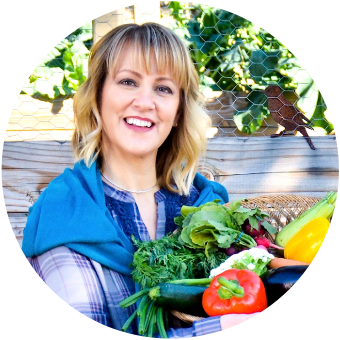


Chef James Corwell is the creator of Tomato Sushi. An Atlanta native, Corwell carries the professional designation of AFC Certified Master Chef. He was previously chef at the Wine Spectator Greystone Restaurant in Napa Valley, Le Foret in New Orleans, and Haddingtons in Austin. He was voted best new chef by New Orleans Magazine in 2010. Chef Corwell has represented the US at the international Culinary Olympics twice and has taught at the Culinary Institute of America, as well as in Japan. Corwell is currently slated to speak on behalf of Tomato Sushi at the Ivy League Vegan Conference held at Cornell University in 2015, a symposium discussing traditional diets, product development, conscious capitalism and the vegan phenomenon.

What inspired you to develop vegetable-based sushi?
There is a more crafted story on the website, but it started with the tuna auctions in Japan. Also, the realization of that was happening everyday there. Then multiply that times 10 for the rest of the world. It was mind boggling.
What techniques have you used to achieve desired results?
I focused on savory flavors. Umami primarily. Tomatoes are high in it so I sought to process the tomatoes to enhance that savoriness with other ingredients high in savory. There is a good description on the website.
Do you feel that, as a chef, there is a new appreciation for plant foods in cuisine? Why?
Yes, because of several reasons. Social awareness of global pollution and human impact on the environment really resonates with people more than ever. Also, health and wellness issues relating to lifestyle diseases are a major motivator. From my own perspective, the population numbers of 2050 and 2100 are staggering enough to justify the change to start sooner than later.
Do you feel that chefs can inspire people to shift their plates to more plant foods and less animal foods? How?
Well, chefs represent the food industry, which is fine if you believe in what they do. But as it turns out I don’t trust how food is produced. The strange thing is I can’t get a completely satisfactory regime in place without tripping up on growth hormones, pesticides, GMO’s or cruel practices. You see, as a chef we are required to view the products we work with as being alive and wholesome. Yet the conditions for a large majority of the food produced in the U.S. is massed produced, in a practical but quite soulless way, as well as quickly and cheaply to an audience who at the very least wants it cheap. Our American view of food history really does not extend beyond the 1900s. But before the industrial revolution, most people ate high vegetable protein and low amounts of animal protein. There are many cultural representations of those diets out there sadly they are slowly being replaced with more Americanized diets as their cultures become more industrialized. Chefs need to be more of a representative to our well being by having knowledge about the food they serve instead of ignoring the problems that are out there.
What is your personal food philosophy?
In regards to tomato sushi, eggplant unagi, and of the other products we have in development, I want to offer up alternative solutions that address the problems of human impact on our food and health.