

Be a Reducetarian!
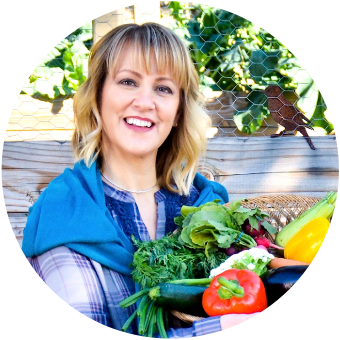


I’m so excited to invite Brian Kateman on my blog today to share his own take on the concept of becoming a reducetarian—the idea of simply reducing animal food intake. I am thrilled to be a supporter of this great idea, along with key leaders like Michael Pollan and Jared Koch, which advocates for eating less meat for the wellbeing of animals and the environment. Make sure you take the reducetarian pledge today! Listen in on Brian’s own words below on what inspired him to found the reducetarian movement.

In many ways, perhaps like you, I’m the typical environmentalist. I shop at Trader Joe’s and always bring my Go Green Bag. Every morning, I present my refillable cup to the Starbucks barista. And for dinner, I spend 1-2 minutes in a fit of confusion trying to recycle the fork, bowl, food, napkins, and lid that constitute my salad. And yet, despite my intrinsic love for animals and for the environment, I struggle to completely eliminate meat from my diet.
And from conversations that I had with my friends and colleagues, I realized I wasn’t alone. There was a growing community of individuals who knew that large-scale meat production was responsible for global greenhouse gas emissions and for the suffering of animals. And yet, they weren’t able or willing to completely eliminate meat from their diet. Some enjoyed the taste of meat; others didn’t want to make a drastic lifestyle change. So they took the advice of Michael Pollan: “Eat food. Not too much. Mostly plants.” They relied on useful strategies like “Meatless Monday” and “Vegan Before Six” to eat less meat and more fruits and vegetables for the benefit of themselves and for their environment.
They knew eating less meat made a meaningful difference, but they still struggled to describe their eating choices, particularly to vegans and vegetarians, the modern day pioneers of abstaining from meat and animal products.
These individuals were not vegetarians or vegans or even on any particular diet. And while they knew of terms like “semi-vegetarian” and “mostly-vegetarian,” they struggled to adopt them as identities because they seemed weak and inconsistent. These identities guide incredibly positive steps toward a more sustainable planet, but they largely invoke negative associations, feelings of division, and moral incompatibility.
What we need is a positive identity, an inclusive term of moral worth that describes a community of individuals who are committed to eating less meat, and can encourage others to reduce their consumption of cows, chickens, pigs, lambs, and seafood. Thus, the Reducetarian Movement was born.
Reducetarianism is an identity, community, and movement. It is composed of individuals who are committed to eating less meat – red meat, poultry, and seafood. With less meat and more fruits and veggies, reducetarians live longer, healthier, and happier lives. They set manageable and therefore actionable goals to gradually eat less meat. For example, they may eat meat only on the weekends, or skip eating meat for dinner if they had it with lunch. And Reducetarians know that eating less meat is good for the well-being of animals and for the environment.
To learn more about and to support Reducetarian, watch my Reducetarian talk at TEDxCUNY below, take the #lessmeat pledge for 30 Days at www.reducetarian.com, like us on Facebook or Twitter and share photos of your meatless meals using the hashtag #lessmeat, or donate to our Indiegogo Campaign.
Guest blogger, Brian Kateman