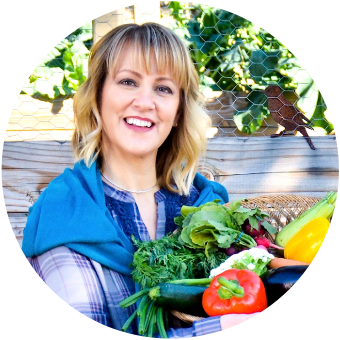
Elisa Zied, MS, RDN, CDN is a nationally recognized, award-winning registered dietitian nutritionist. The author of the new book, Younger Next Week (Harlequin Nonfiction, 2014), Nutrition at Your Fingertips (Alpha Books, 2009) and coauthor of Feed Your Family Right! and So What Can I Eat?!, she has garnered millions of media impressions as a featured expert on the Today show, Good Morning America and The Early Show and in dozens of national magazines and newspapers. She is an advisor and blogger for Parents magazine and regularly contributes to USNews.com. She loves to #moveitorloseit in New York City with her husband and two sons. Visit her at https://elisazied.com/.
I was excited to receive Elisa’s new book, Younger Next Week, which is a wonderful guide to defying aging, with the help of a healthy eating plan. The book is very easy to read, with lots of tips, guides, recipes, and references. I sat down with Elisa to ask her for a few inside tips about aging well, and her favorite plant-powered recipe!
What diet strategies can readers find in your new book, Younger Next week?
In Younger Next Week, I offer tons of ideas to help people incorporate more Vital Foods (including produce, fish and beans) into the diet. I also provide recommendations for balancing intake of foods from the different food categories to help women meet their calorie and nutrient needs. The book also provides dozens of Stressipes® —remedies to help people overcome or avert the negative effects stress has on food, fitness and lifestyle behaviors. For example, the book includes Stressipes® to help you handle food cravings, reduce overeating, get a better night’s sleep or simply relax when you’re wound up. Here’s one of the Stressipes®:
Have your treat while you eat. If there’s a treat, such as chocolate or cookies, that you tend to overeat but rather not give up (and why should you?), be sure to have it right after a meal or as part of your mid-morning or mid-afternoon snack instead of by itself. Having the meal or snack beforehand will likely fill you up and perhaps make you feel just as satisfied with a smaller portion that you might have had otherwise.
What inspired you to write about how nutrition can slow down the aging process?
Always one to enjoy celebrating my birthday, I threw myself a fun 40th birthday party for about 40 girlfriends. There was bowling, a DJ, and even a big green birthday cake made (and shaped) in the image of my real bowling ball that had a picture of Snoopy on it. We had a great time and I embraced this new age like I had all others—until I didn’t. I had a wrist injury that eventually turned into wrist surgery, I had a pre-cancerous mole removed from my back and at the same time had my first breast biopsy (fortunately it turned out to be nothing). But all of these things, coupled with troubled times many of my friends and family members were going through—illnesses, deaths, marital woes, financial troubles, challenges with children and work stress—left me feeling like a wreck. Going through what I considered to be a very mild depression for a few months, I finally decided to look up signs of depression on the internet. When I realized I had a few real symptoms—crying for no reason, wanting to retreat from others among them—I decided to go talk to someone. But before I did, it was as though a cloud lifted. Something clicked and helped me get back to myself by improving my food and fitness habits.
Shortly after, knowing I had another book in me, I decided I wanted to write a book about how we women who burn the candle at both ends and try to be everything to everyone need to prioritize and nurture ourselves, especially when we’re going through hard times. Easier said than done, I know. But when I began to research the terrible effects stress has on our bodies and our minds and how dealing with it can sabotage our food, fitness and lifestyle behaviors and worsen our health and age us not only physically and emotionally but at the cellular level, I knew I needed to address this topic not only to help myself but to help the millions of women like me. The good news is that I learned there are so many things we can do each and every day to help us reclaim vitality and look and feel our very best no matter how old we are and how busy or stressful life becomes. It’s all there for the taking if we know where to find it, and Younger Next Week provides tools to help women get started on a healthy living journal.
What do you think is the biggest challenge people face when trying to stay young, healthy, and active?
There are so many challenges people face when trying to look, feel and stay young, vibrant and active. Weather, work, relationships, raising children or caring for older parents or other family members, maintaining a home, managing finances and health issues often take their toll not only on how we feel but on how we care for ourselves—what and how we eat, how much exercise and physical activity we do and how we sleep. Many of us tend to put everyone and everything else before ourselves, but when we get accustomed to doing that, it takes its toll on ourselves in every which way and leaves us less able to do everything else to the best of our ability.
Also, many of us tend to get stuck living in a black or white, all or none mindset when it comes to healthy living—instead, I encourage people to try to live in the grey! We don’t have to eat or live perfectly to be healthy. And we don’t need to completely overhaul our lives to eat and live better. Making simple changes that fit into your life can add up to real benefits that you see and feel, so cutting yourself some slack and allowing yourself to be less-than-perfect while you’re trying to eat and live more healthfully and mindfully can really lead to real changes that you can maintain over time. Making those kinds of changes rather than dramatic, short-term ones is in my mind a better recipe for long-term health and well-being.
Can nutrition really make a difference? How?
Americans are so far away from eating a diet that includes foods from the basic healthy food groups—fruits, vegetables, whole grains, lean protein foods, protein foods and healthy fats. At the same time, many load up on nutrient-poor foods that provide excess amounts of solid fats (that are high in saturated and trans fats) and added sugars.
This lack of nutrition not only effects overall health on the inside, but it affects how you look and feel. Simply increasing intake of nutrient-rich foods and cutting back on nutrient-poor foods can do so much to help people get the nutrients they need to perform optimally, both physically and mentally. It will also benefit their overall health and reduce disease risk. No one food or beverage is a magic bullet. But eating wholesome, healthful foods in the context of an active and balanced lifestyle can be an asset when it comes to managing your weight, boosting the health of your heart, skin and all vital organs, help you feel energized, boost your mood and do so much more.
What is the most common food habit that contributes to aging?
I’m not sure that people realize how overeating can be a detriment, not only to our waistlines but to the aging process. There’s some evidence that eating more than our bodies need—especially when we overdo it on nutrient-poor food (like ice cream, cookies and other items we tend to crave)—can age us by shortening telomeres. Telomeres are the protective caps at the ends of chromosomes, the body’s basic genetic material. Overeating can also alter hormone levels in a way that can promote disease and potentially shorten our lives. If we chronically overeat, that can contribute to higher blood sugar levels—and that’s been linked with increased facial aging. Although researchers don’t know why exactly blood sugar promotes a more aged appearance, some believe it contributes to the formation of advanced glycation end products (AGES)—these prevent efficient repair of collagen (involved in premature skin aging), may reduce skin elasticity and may negatively affect the heart and kidneys to promote disease. Overeating that causes weight gain can also increase inflammation in the body—that makes us more vulnerable to sickness or the development of chronic diseases.
What do you hope readers will walk away with after reading, Younger Next Week?
My goal is for women to use Younger Next Week as motivation to take charge of their lives—especially their food, fitness and lifestyle habits—no matter how burnt out, stressed out or desperate they feel. Once women decide to take charge of what they put into their mouths and how they care for their physical and mental health, they can find practical science-based tips and Stressipes® to improve their habits in a way that’s maintainable over the long-term. I hope that Younger Next Week empowers women to prioritize nurturing themselves and to find sensible ways to not only nurture themselves but to manage stress in more positive and productive ways. Stress and eating and how we care for ourselves are so intertwined, so learning how to manage stress by creating positive coping strategies can do wonders to not only help us look and feel our best but to optimize health while embracing our age. The book provides a Vital Foods list, a Treat list, 2 weeks of flexible meal plans and recipes and tips to fit in fitness and get the sleep we need to help women turn the principles of Younger Next Week into tangible and sustainable actions.
1 pound (about 5 cups) fresh small Brussels sprouts
2 teaspoons olive oil
½ cup diced onion
2 teaspoons fresh lemon juice
1 teaspoon fresh lemon zest
Kosher salt*, freshly ground black pepper or minced garlic, to taste
Instructions
1. Trim the hard ends off the Brussels sprouts. Remove any outer leaves that have yellowed or withered. Cut each Brussels sprout in half and then slice the halves into thin strips. Set aside.
2. Heat the oil in a large skillet over medium-high heat. Add the onions and sauté for 3 to 4 minutes, or until they have softened. Add the Brussels sprouts and toss, using tongs, to coat them with the onions. Cook for about 5 to 7 minutes, or until the Brussels sprouts have browned.
3. Sprinkle the Brussels sprouts with the lemon juice and lemon zest. Season with salt and pepper, if desired.
Notes
*Vital Stats (per serving, without salt to taste): 58 calories, 2.3 g fat, 0.4 g saturated fat, 0 mg cholesterol, 20 mg sodium, 8.8 g carbohydrate, 2.7 g fiber, 2.6 g sugar, 2.6 protein
*One serving counts as: 1 NON-STARCHY VEGETABLE, ½ HEALTHY FAT