

An Interview with Sara Baer-Sinnott, President of Oldways
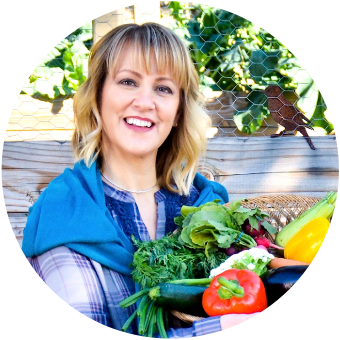


Learn how the Whole Grains Council fits perfectly into the Oldways’ vision in this interview with Sara Baer-Sinnott.
This week, I have the pleasure of featuring Sara Baer-Sinnott, the president of Oldways – a nonprofit food and nutrition education organization, with a mission to guide people to good health through heritage. Sara has been an instrumental figure at Oldways since its early days, joining the staff in 1992 to work on one of the first overseas Symposiums (Food, Culture and Discovery in Spain) and the first Mediterranean Diet Conference. Sara assumed the presidency of Oldways in May 2010, on the untimely death of founder K. Dun Gifford. She now develops company strategy, oversees all Oldways projects and programs, and works closely with all members of the Oldways staff. You can read Sara’s complete bio here.
In recognition of Whole Grains Month, read below to learn how the Whole Grains Council fits perfectly into the Oldways’ vision – by focusing on traditional diets and the importance of eating whole plant foods.
What is in the inspiration behind Oldways, and how was it founded?
Oldways was founded in 1990 by K. Dun Gifford to address health issues (increasing rates of obesity, heart disease, cancer, diabetes and other diseases of excess) and to preserve culinary traditions, helping people make healthy connections to their food (cooking and eating real foods) and their heritage. We learned early on that change happens by motivating individuals and influencers to move in a common direction.
The idea for Oldways came to Dun in Qufu, the birthplace of Confucius, during a 1987 visit to China. He’d been leading a culinary tour, and as part of this tour, the group had a three-hour traditional banquet in the replica of the Confucius family home. The banquet, featuring an astonishing parade of 36 dazzling dishes and drinks, expressed the Confucian ideal of harmony among earth, body and spirit. Luckily, each dish was only the size of a half-dollar, and each drink (some alcoholic, some not) was only a thimbleful, so the entire feast wasn’t much more than 36 tastes.
The banquet had painted in Dun’s mind a clear image of what would become Oldways—a new nonprofit advocacy organization to research and promote a harmony of traditional food patterns, sustainable agriculture, and healthy eating and drinking. It would combine “the best of the old ways” with “the best of the new ways.”
Dun returned to Boston determined to organize a new organization to promote the values (if not the literal specifics) of traditional foodways. Oldways would, like Janus, look back and forward simultaneously for a harmonious balance among good nutrition, pleasurable traditional foods, and respect for the earth, all presented in a way that can help modern humans live healthier and happier lives.
How did the Whole Grains Council fit into the Oldways’ philosophy? Oldways has a big focus on traditional diets and eating real food; how do whole grains fit into this vision?
In 2002, for the first Whole Grains Summit (before the start of the Whole Grains Council), Dun wrote:
“Grains have been the food staple of humans from time immemorial, and along with fruits, vegetables, nuts and legumes, have shaped human bodies and all their functions. Human macro-cultures are often defined by what they eat, and specifically by their staple foods. Asians, for example, are rice eaters; Latinos, corn eaters; Europeans, wheat eaters; and Africans, multigrain eaters (millet, sorghum and many others).”
Oldways’ philosophy is centered around promoting and educating people about these traditional ways of eating and living. Whole grains are one of the foundations of all of these traditional diets, and are found at the base of the Oldways Traditional Diet Pyramids – Mediterranean, Asian, Latin American, African Heritage and Vegetarian.
The Whole Grains Council was founded one year later, in 2003, with the goal of making whole grains “a mainstream food.”
What are some of the projects and programs of Oldways that promote eating whole grains as part of a traditional diet?
As mentioned above, the traditional diet pyramids reflecting the eating patterns of the Mediterranean, Asia, Latin America, the African diaspora (especially the many traditional Vegetarian diets) include whole grains at the base.
Ten years after developing the Mediterranean Diet Pyramid, Oldways created the Whole Grains Council to bring attention and raise awareness about the health benefits and delicious tastes of a wide variety of whole grains. Our initial goals with the Whole Grains Council were three:
• making whole grains a mainstream food
• defining a whole grain
• raising awareness – getting media attention (and getting on Oprah!)
We did all three.
Early on we found one reason consumers didn’t eat more whole grains is that they couldn’t find them. Whole grain bread in the bread aisle of grocery stores wasn’t distinguishable from breads that were colored brown, and consumers didn’t know which products were whole grain.
The Whole Grain Stamp was developed in 2005, and when used on a product, helped consumers find whole grain products with the assurance that there was at least 8 grams (half a serving) of whole grain in the product.
Now, eight years after the Whole Grain Stamp was first introduced, more than 8,700 products bear the Stamp in 41 countries. Consumers continue to look for the Stamp. Manufacturers have continued to improve their products by reformulating with more whole grains.
The Whole Grains Council is much more than the Whole Grain Stamp. The WGC initiates a number of educational programs to help consumers, manufacturers, media, health professionals and others learn more about whole grains. These include Whole Grains Month (September); Whole Grain Sampling Day (first Wednesday in April – April 2, 2014); development of resources and recipes for the WGC website; free posters, buttons and stickers for educators; conferences; consumer newsletter; and more.
Whole grains are a natural part of most of Oldways’ programming. In addition to the Whole Grains Council, other Oldways programs that promote eating whole grains include the Oldways Vegetarian Network with the soon-to-be-released update of the Vegetarian Diet Pyramid; African Heritage & Health’s cooking curriculum, A Taste of African Heritage; and of course, the Mediterranean Diet.
Oldways has also focused on pasta, organizing two Scientific Consensus Conferences on the healthy pasta meal. Whole grain pasta is an easy and convenient way for families to enjoy whole grains plus other healthy food partners (vegetables, beans, healthy fats).
Whole grains are also featured in the Oldways Nutrition Exchange (ONE). ONE is an online Oldways resource for supermarket dietitians, providing easy access to comprehensive, relevant information about healthy eating and healthy products. The goal of ONE is to help supermarket dietitians as they do their jobs — reaching customers and inspiring them to choose healthy foods. Although the main audience is supermarket dietitians, ONE is designed for all dietitians. The Annual Supermarket Dietitian Symposium also touches on whole grains in supermarkets.
Do you think you are helping people realize that whole grains can be delicious, when they are cooked with flavor, as they are in many traditional diets?
The fact that more than 8,700 products feature the Whole Grain Stamp tells us that people are embracing whole grains. I believe consumers are discovering that there is a huge world of delicious whole grains. Quinoa is a great example. It’s everywhere. Consumers are learning how to cook quinoa and also how to pronounce it!
That consumers continue to buy a wide variety of whole grain products means that they find them delicious. Health is important, but taste always holds the trump card.
Why do you think that people have responded so favorably to the Oldways vision on health?
Three reasons: great taste, solid science, and approachability/ease.
As mentioned above, good taste is all-important. Traditional diets like the Mediterranean, Asian, African Heritage, Latin American and Vegetarian diets are full of flavor and taste.
The nutrition science backing up the great tastes of these traditional diets is solid. It seems that a new study comes out almost every week, confirming and validating the healthy attributes of the Mediterranean Diet. The new research results on Vegetarian Diets are equally substantial.
And finally, the intangible attributes of traditional diets are important – approachability and ease. For example, we hear from participants in our Taste of African Heritage cooking classes that they can relate to the African Heritage Diet. It’s a connection. Because America is a nation of immigrants, we can all relate to other food cultures. We can relate to the Mediterranean Diet, imagining a pasta meal or hummus with whole grain pita bread or gazpacho; or perhaps a Latino meal of a whole wheat or corn tortilla with black beans, salsa and guacamole. Plus, this way of cooking can be very easy and affordable.
Are there any future projects of Oldways that will further instill the idea that eating whole grains as part of a traditional diet can promote health?
Oldways will release the newly updated Vegetarian Diet Pyramid at the Academy of Nutrition and Dietetics’ annual Food & Nutrition Conference & Exposition (FNCE) in Houston on October 19, 2013. Whole grains are part of the new Pyramid, and an important part of a well planned Vegetarian or Vegan diet. With the release of the new Pyramid, the Oldways Vegetarian Network will develop a number of resources for consumers and health professionals, including a “how-to” guide for RDs and a 4-Week Vegetarian & Vegan Diet Menu Book. Whole grains will be featured in all of these resources.