

Tale of Two Problems: Hunger and Obesity


The twin problems of food insecurity and obesity go hand in hand in the U.S. People who are food insecure ironically face a higher risk of obesity, due to the lack of affordable, healthful food options in food deserts and low-income areas (Treuhaft, & Karpyn, 2012). Two-thirds of Americans are overweight, and obesity among children has risen fourfold since 1960, which has increased the dollars spent on health care to deal with obesity-related diseases, such as type 2 diabetes and heart disease; people of color suffer disproportionately from these conditions (CDC, n.d.). Schumacker, Nischan, and Simon (2011) find this scenario to be one of the most alarming aspects of SNAP (Supplemental Nutrition Assistance Program) today.
Compared to its origins in 1939, when food stamps were supported among most Americans as a way to feed the hungry and support surpluses from farmers, today SNAP is not so well regarded among the public, who often consider recipients to be taking advantage of the system. SNAP provides limited funds, making it difficult to finance the purchase of healthy foods, such as fruits and vegetables. Instead, recipients rely on inexpensive foods made from surplus supported crops, like corn. So, it’s like a triple whammy to the taxpayer—pay subsidies to the farmers growing these foods, pay for SNAP, then pay the health care bills related to poor nutrition (Schumacker, Nischan, & Simon, 2011).
I interviewed several dietitians who took the SNAP challenge, eating only within the daily cost parameters of SNAP benefits for a period of time, as a way to bring attention to this issue. It was intriguing to learn that even educated nutrition professionals experienced hunger, weight loss, and a lack of healthy foods while doing the challenge (Palmer, 2014). Regardless, I am still a supporter of SNAP, considering it helps millions of low-income individuals who are food insecure (USDA, n.d.). Obviously, we need to remedy the broken system so that healthy foods are affordable for those that receive SNAP. I really love the Double Up Food Books program through Fair Food Network (n.d.), which doubles the value of SNAP at participating markets and grocery stores for produce.
References:
Centers for Disease Control and Prevention. (n.d.). Overweight and Obesity. Retrieved from: https://www.cdc.gov/obesity/index.html.
Double Up Food Bucks. (n.d.). Retrieved from: https://www.doubleupfoodbucks.org/about/.
Palmer, S. (2014, March). Taking the SNAP Challenge. Today’s Dietitian. 16: 40. Retrieved from: https://www.todaysdietitian.com/newarchives/030314p40.shtml
Schumacher, G., Nischan, M., & Simon, D. B. (2011). Healthy Food Access and Affordability. Maine Policy Review. 20: 124-139.
Treuhaft, S., & Karpyn, A. (2012). The Grocery Gap: Who Has Access to Healthy Food and Why it Matters. The Food Trust. Retrieved from: https://thefoodtrust.org/uploads/media_items/grocerygap.original.pdf.
USDA. (n.d.). Supplemental Nutrition Assistance Program. Retrieved from: https://www.fns.usda.gov/snap/supplemental-nutrition-assistance-program-snap.
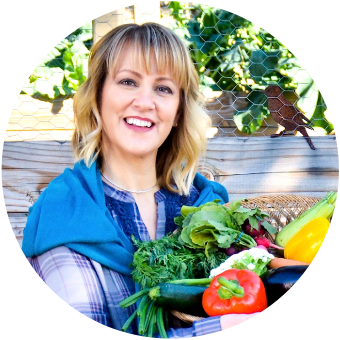
Image: Promoting SNAP at the Echo Park Farmers Market. (Palmer, 2017).